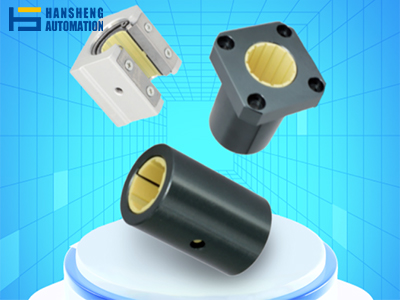
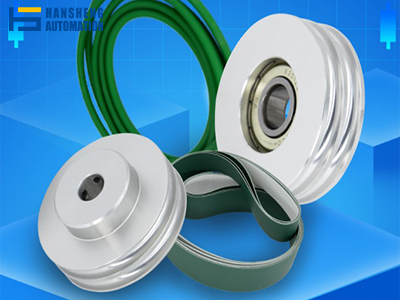
Belt pulleys and idlers
1. What is a belt?
Flat belts, braided belts, composite flat belts, and high-speed belts are a subset of transmission belts. Other sectors, food transportation, and the delivery of electrical components all depend on it extensively.
The round belt is a kind of belt; the pulley taken together create a round belt drive, a sort of friction drive. It is appropriate for light object transmission, high degree of freedom transmission, and has the features of high elasticity, high strength, wear resistance, oil resistance and so forth.
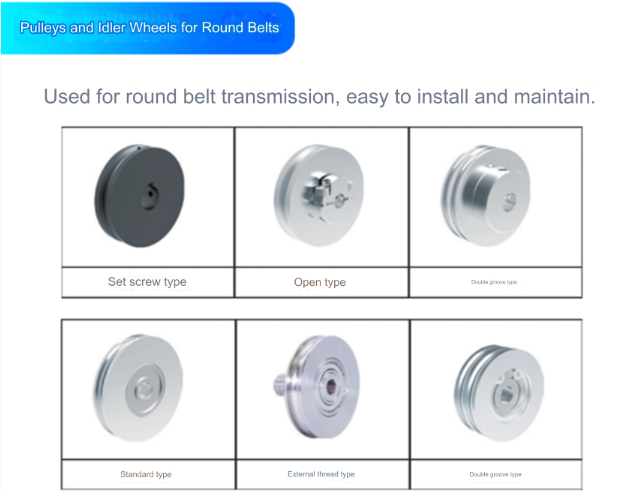
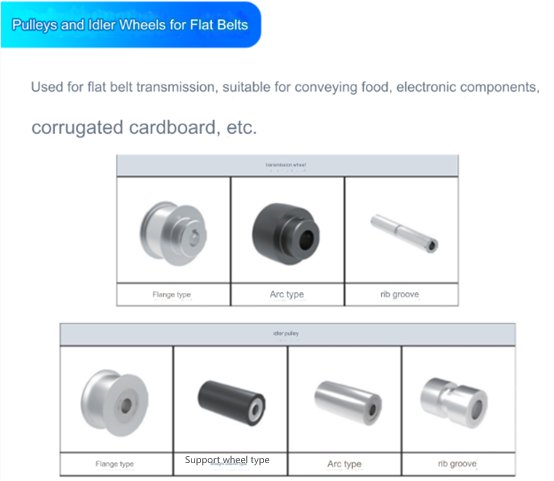
2. The type of pulley idler
3. The failure mode of the transmission
1) Slippage and fatigue fracture are the two primary failure mechanisms.
2) Furthermore failing might be too much strain and impact load.
4. Teasures to improve transmission
1) The choice of suitable materials to raise the coefficient of friction will help to enhance the operating capacity of the belt drive; thus, the stronger the kinetic energy conveyed.
2) Though the tension force is too high, which would decrease the life of the flat belt, maintain appropriate tension; the larger the tension force, the bigger the friction force, and the stronger the transmission kinetic energy.
3) The degree of friction not only relies on the coefficient of friction and positive pressure but also on the size of the contact surface, therefore influencing the enclosing angle. The friction is more the bigger the wrapping angle. By lowering the transmission ratio and mounting the tensioner on the outside of the belt drive, one increases the envelope angle by increasing the center distance.
5. Precautions for belt storage
1) Try to stay out from direct sunshine.
2) Not covered in rainfall.
3) Store at room temperature.
4) Don't cut out chemicals.
5) One should not rub against the ground.
6) Forceful bending is banned.
6. Application cases
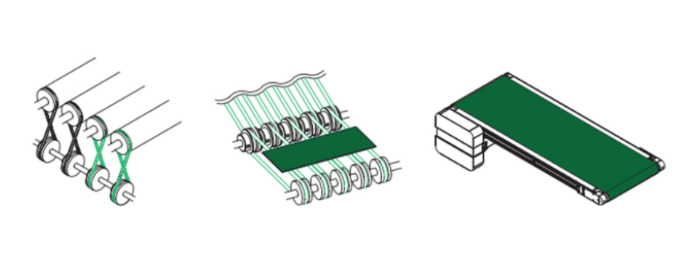
It is mainly used in transmission and conveying devices
Seal Instruction Manual
Aluminum film sliding bearing small class
Related Article