Seal Instruction Manual
1. What is a seal?
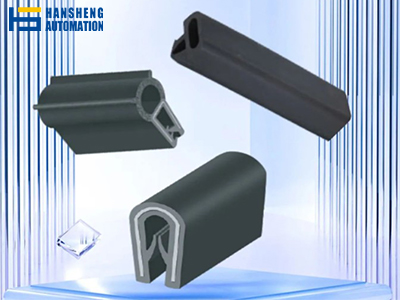
Usually formed of rubber, sealing strips are used to close goods. By use of mechanical vibration, it may prevent damage caused by internal and external media like rainfall, air, sand and dust, and thus attain sealing, sound insulation, heat insulation, and shock absorption.
2. The introduction of sealing strip products
Edge protection type
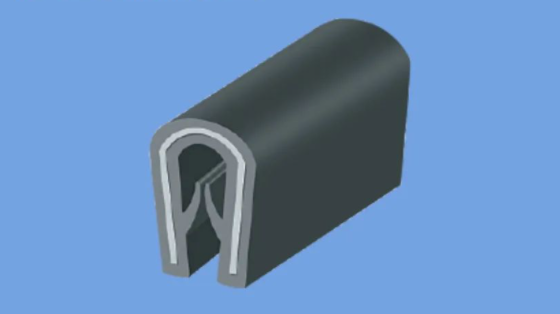
Uses: Apart from decoration, the edge protection strip serves to guard the sharp edge of the sheet metal incision.
Features: One may employ edge protection strips freely. Even at rounded corners or bends, the U-shaped steel with PVC house shields the sharp metal edges. Not a tool, glue, or connection needed. Edge protectors differ in form, size, color and finish depending on the application.
Closed-cell foaming type
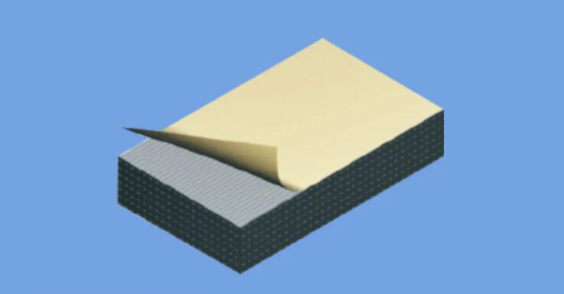
One side has glue; non-stretchable. Cutting the size eliminates the holes above, which lets the seal absorb up to 5% of the water. Half a year is the storage period; the dry, cold surroundings help to avoid adhesive failure. Strong compressive resistance defines natural rubber.
Door type
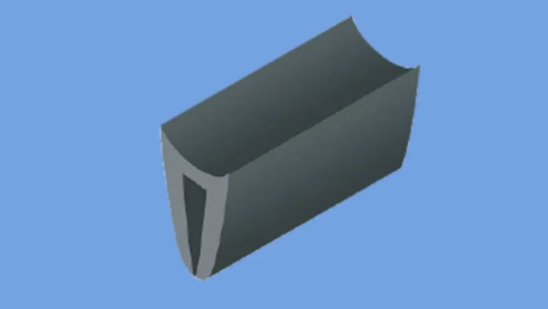
Use: Cover, door, panel sealing strips.
Emphasize: Simple Installation: Just slide the sealing strip between the metal plate's edge. Can be joined if needed. There are neither warping or bending; neither bends nor miters.
Electromagnetic shielding type
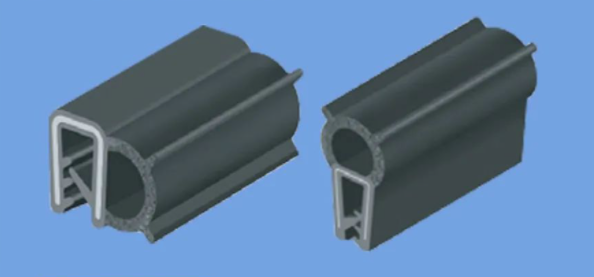
Features: The shielding effect is min65dB; the sealing strip is joined with an extra layer of conductive fabric with a surface resistance of Ω/25mm2. Based on the P-SPZEF11-11/P-SPZEF11-16.3 seal, adding electromagnetic shielding (EMI/RFI) removes the need to modify your current cabinet design.
Self-clamping type
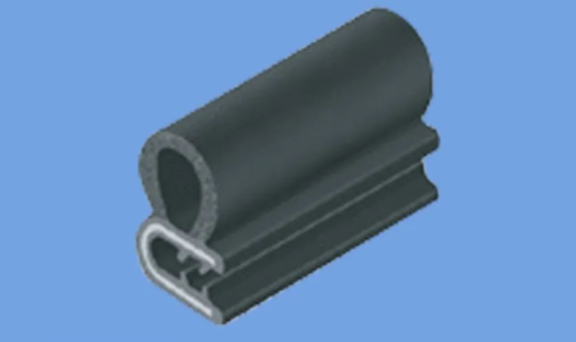
Features: Self-clamping sealing strip that protects the sharp cut edge in addition to serving as sealing agent.
The foundation component is soft rubber with steel wire buried inside; the sealing part is rubber foam. Extrusion and vulcanization help to securely link the two rubers.
Sensors in shared bikes and unmanned supermarkets are revealed
Belt pulleys and idlers
Related Article