Sensors in shared bikes and unmanned supermarkets are revealed
Sensor applications for bike-sharing
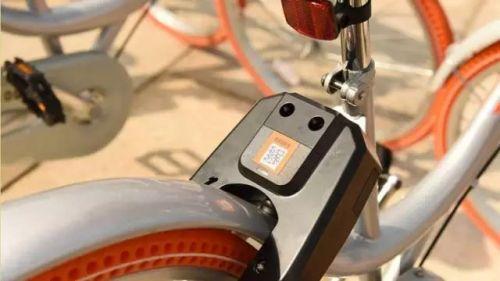
Using shared bicycles as an example, the mobile phone may be unlocked by scanning the code to ride, which is unique of shared bicycles. Regarding smart locks, one should specifically address sensor technologies. The built-in sensor can also sense whether the bicycle is wading, whether the smart lock is damaged by external forces, and the acceleration sensor can monitor the speed of the bicycle. At present, the smart locks of shared bicycles on the market are integrated with sensors and other intelligent modules. The sensor positioning module can help users find the vehicle and help the operator locate the defective car. Certain more expensive motorcycles, like Mobike, additionally have sensors like voltage sensors that track the state of the vehicle.
Smart vehicle locks are the fundamental connection of shared bicycles, which enable users to unlock, return and bill autonomously; sensors are the fundamental components to accomplish these purposes; the key reason for the market awareness of shared bicycles is their comfortable mode of use. Simultaneous with the wild spread of shared bicycles, issues like random parking have progressively surfaced. Large areas of shared bicycles of different colors are commonly seen parked horizontally, vertically, and vertically in parks and other downtown areas of major cities as well as at the subway terminals, therefore invading public space and posing significant traffic safety risks. The pertinent departments visited some bike-sharing companies, advised them to improve the management of operation and maintenance order, and applied electronic fences, virtual parking spaces and other technologies to standardize user parking areas, so addressing the issue of indiscriminate parking. Only when the bicycle is parked in the so-called "electronic fence" can it be secured and paid for. The technology sends signals from the Internet of Things chip to establish network coverage, thereby delineating a "fence" for shared bicycle parking.
Unmanned supermarket sensors
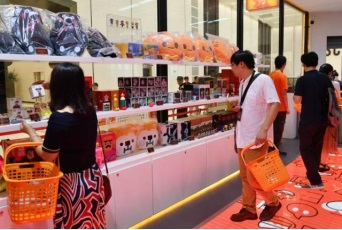
The application area of sensor technology in the future is far wider than the market of shared bicycles as science and technology advance. Not long ago, Alibaba's first unmanned store drew lot of interest in Hangzhou. Alipay will immediately deduct money via a "payment door" whenever users scan the QR code with their mobile phone to access the shop and choose items before leaving. Furthermore inseparable with the use of many sensors is this dark technology that makes you unintentionally "chop your hands".
Alibaba's autonomous supermarket uses sight sensors, pressure sensors, and other technologies, it is known, to detect the information of products and find their whereabouts. Senior technical expert in the sector Zeng Xiaodong predicts that every movement of every guest will be methodically digitized, collect data via sensors and upload it to the cloud, and subsequently acquire a lot of valuable information using algorithm models. The direction of development of unmanned supermarkets will also be digitalization.
After the Internet, the Internet of Things has evolved as the next outlet; its basis is the sensor sector, which is going to explode. At the same time, sensor technology presents a challenge to the technological level of sensors and will also become more and more significant in our life, a historic development opportunity for sensor manufacturers. Strengthening the research and development of creative technologies and concurrently changing from only offering sensor items to system solutions will become crucial ways for companies to grab the market.
The breakthrough in single-photon emission from quantum dots heralds the dawn of the era of optical circuits
Seal Instruction Manual
Related Article