


Home /News /

2025-09-09
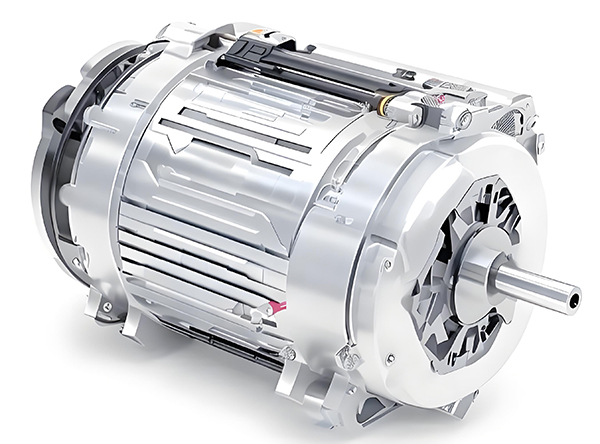
How to Reverse Direction in Brushless Motors
Brushless DC (BLDC) motors are widely used in EVs, drones, industrial machinery, and robotics for their efficiency and long lifespan. Unlike brushed motors—where reversing direction only requires swapping power leads—BLDC motors rely on electronic commutation, making direction reversal more nuanced.
2025-09-08
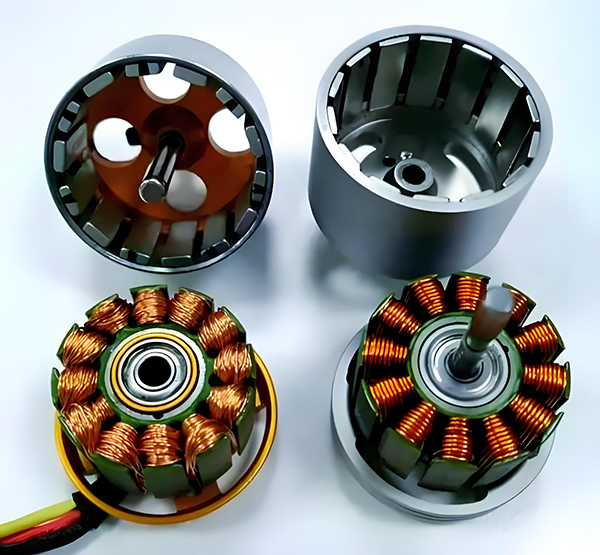
What’s the Difference Between a Brushed and Brushless Motor
Brushed and brushless DC motors are two of the most common electric motor designs, powering everything from toys to electric vehicles. While both convert electrical energy to mechanical motion, their internal structures, performance, and use cases differ drastically.
2025-09-08
How to Know If a Brushed Motor Is Bad
Brushed DC motors are reliable, but wear and tear over time can lead to failure. Whether you’re troubleshooting a power tool, household appliance, or industrial conveyor motor, knowing the signs of a bad brushed motor saves time and prevents further damage.

2025-09-07
How Do Brush Motors Work
Brush motors—officially called "brushed DC (direct current) motors"—are one of the oldest and most widely used motor designs, powering everything from household appliances to industrial tools.
2025-09-06
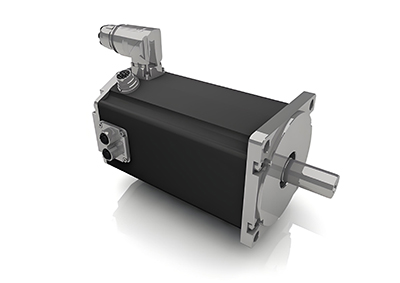
What Are the Disadvantages of DC Motors
DC motors, a staple in electronics, robotics, and small-scale industrial systems, offer precise speed control and compact designs—but they are far from flawless. While brushed and brushless DC (BLDC) motors each have unique advantages, their inherent limitations often make them less suitable for high-power, long-duration, or cost-sensitive applications.

2025-09-05
Is a DC Motor the Same as an Electric Motor? Unraveling the Nuances
Walk into any electronics store or industrial workshop, and you’ll likely encounter devices powered by "electric motors." But mention "DC motors," and you might get a different reaction—curiosity, confusion, or technical jargon.
2025-08-08
What is the Main Function of a DC Motor
In the realm of electrical engineering, the DC motor stands as a cornerstone of modern machinery, powering everything from household appliances to industrial robots. But amid its widespread use, a fundamental question remains: What is the main function of a DC motor? At its core, a DC motor converts direct current (DC) electrical energy into mechanical energy—specifically, rotational motion.
2025-08-07
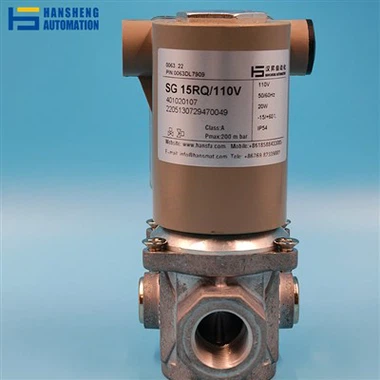
How to Check a Solenoid Valve
Solenoid valves are workhorses in countless industrial, commercial, and residential systems, controlling the flow of liquids, gases, and other media with precision. From irrigation systems and HVAC units to manufacturing lines and appliances, a properly functioning solenoid valve is critical for efficiency and safety.
2025-08-06
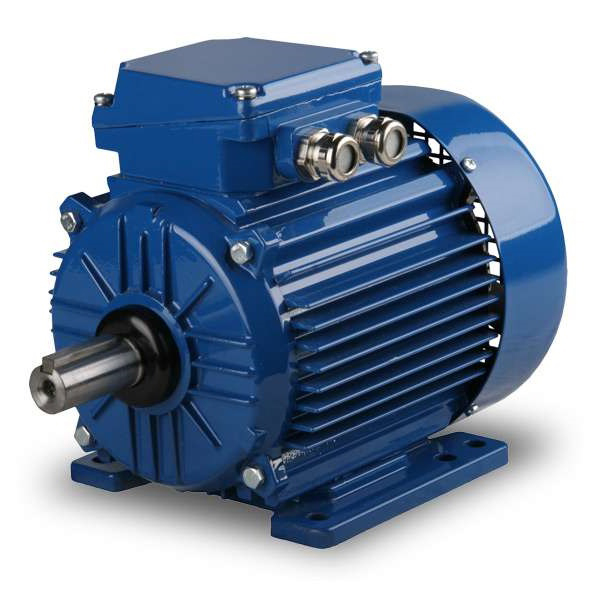
Which is better, an AC or DC motor
When it comes to powering the machines that drive our modern world, two primary motor types dominate the landscape: AC (alternating current) motors and DC (direct current) motors. Each has its own set of strengths, weaknesses, and ideal applications.
2025-08-05
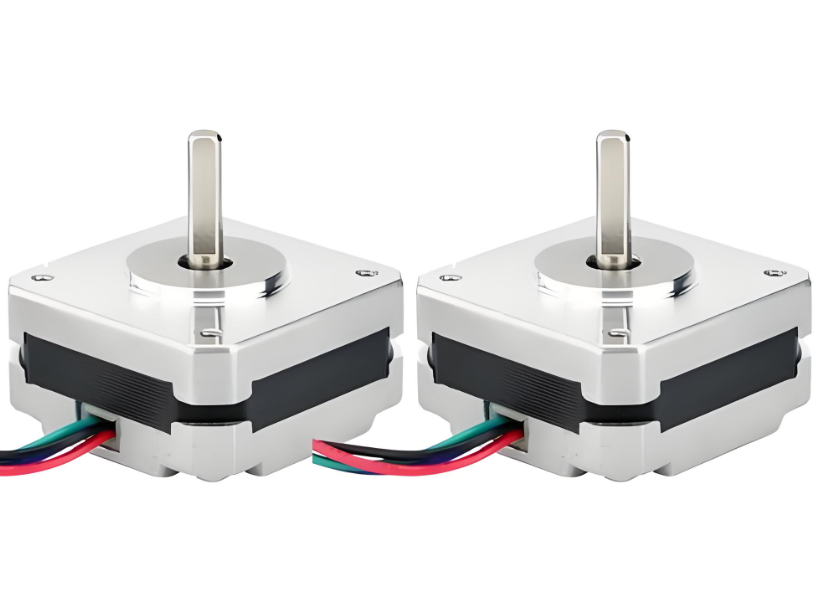
What is a Servo Motor vs. Stepper Motor
In the world of motion control, two types of motors dominate industrial and hobbyist applications alike: servo motors and stepper motors. While both are designed to convert electrical energy into mechanical motion, their operating principles, structures, and performance characteristics differ significantly.
- 1
- 2
- 3
- 4
- 13