


How to Avoid Being Replaced by Artificial Intelligence
As many companies increasingly adopt AI and machine learning, these technologies will continue to have a growing impact on job roles. While this is good news for businesses looking to boost performance, many employees fear that robots may replace their jobs in the coming years. To avoid being replaced, we need to shift our mindset and enhance our skills to stay competitive in the future workplace.
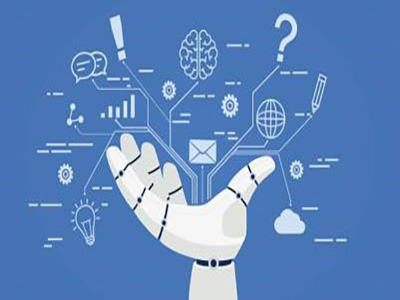
Members of the Forbes Coaches Council have shared some strategies that can help you acquire the necessary skills for your future career.
-
Understand the Value of Data: While new innovations will require everyone to become more tech-savvy, it doesn’t mean that everyone needs to be a tech expert. However, learning to compute and interpret data will become increasingly valuable. This skill will see growing demand in the workforce and will help solidify your value as an employee or potential leader.
-
Be Honest About Your Skill Gaps: As a responsible professional, one of your duties is to keep up with the ever-changing technology and customer needs. Be honest about the areas where you need to catch up rather than trying to hide them. Work towards reaching the level you aspire to, ensuring you stay relevant in the future. Don’t blame the changes—embrace them.
-
Focus on Building Relationships: AI and machine learning should be viewed as tools that can replace certain steps, providing greater value and service. However, they will not replace the core of business: human relationships. By embracing the benefits and differences in value, you gain more time to focus on customer-centric priorities. For leaders, this also helps in building and maintaining relationships, thereby strengthening your professional skills.
-
Commit to Continuous Learning: While AI and machine learning are changing the landscape of valuable skills, they also create new opportunities for career growth. Routine tasks will become automated, giving people more opportunities to make strategic and visionary decisions within their organizations. Invest in learning new skills, whether it’s leveraging new technologies, building them, or scaling them through leadership.
-
Embrace Opportunities for Change: Disruptive new technologies make current processes, methods, and practices obsolete. Instead of resisting these changes, embrace them! Since you already understand the old methods, you are in a better position to transition infrastructure and integrate it with new technology. This will require you to learn as much as possible about the emerging world order and seek opportunities to become a driver of change.
-
Enhance Your Communication Skills: I see AI as a tool—a resource that can enhance productivity and efficiency. With this in mind, your professional impact extends beyond the tasks you do each day. Your ability to communicate effectively, solve problems logically, and empathize with customers and colleagues is crucial. In our continuously evolving economy, strong communication and leadership skills are a must.
-
Seek Ways to Increase Efficiency: To take on more tasks and projects and become a valuable employee, say "yes" to these opportunities. By doing so, you will develop more skills, become more versatile, and increase your value. You might think, “I’m already too busy!” That may be true, but learn to find ways to use AI and machine learning within your role to increase efficiency and reduce costs. This is valuable and demonstrates your worth to the company.
-
Develop Your "Insight": AI is excellent at spotting trends, processing big data, and even making predictions to some extent. But if you ask it, "Why is this happening?" it starts to fall apart. AI and machine learning excel at data processing, but they are not good at dealing with information. Information is a subset of data. The way we (humans) add real value to data is by gathering real-world information, perspectives, and inferences. To outsmart machines, you need to have insight.
The Current State and Future Trends of Facial Recognition Technology
Six Challenges Restricting the Development of the Sensor Industry
Related Article


