


How Does an AC Electric Motor Work
2025-06-03
How Does an AC Electric Motor Work
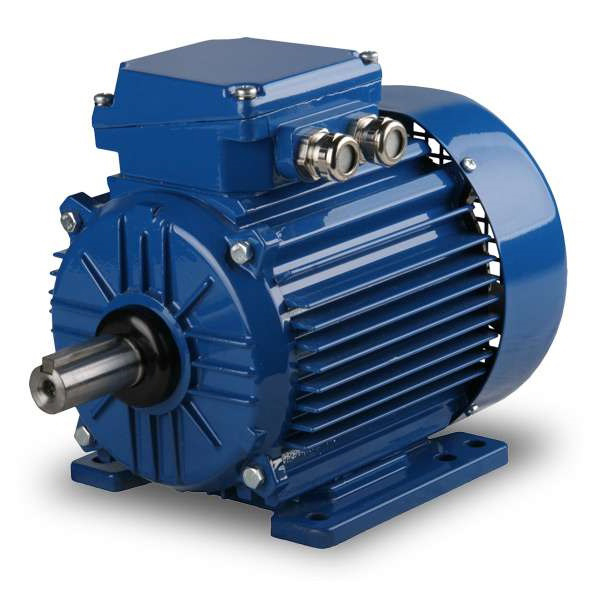
Introduction
In our modern, technology - driven world, electric motors are everywhere, powering everything from household appliances to industrial machinery. Among them, AC (alternating current) electric motors are particularly prevalent due to their efficiency, reliability, and ease of use. But have you ever wondered how these essential devices actually work? Understanding the inner workings of an AC electric motor not only satisfies our curiosity but also helps in maintaining and optimizing their performance. This blog post will take you on a detailed journey into the fascinating world of AC electric motors, exploring their fundamental principles, components, and different types.
Basic Concepts
Alternating Current (AC)
Before delving into how an AC electric motor functions, it's crucial to understand what alternating current is. Unlike direct current (DC), which flows in a single, constant direction, AC periodically changes its direction. The voltage in an AC system also varies sinusoidally over time. In most common power distribution systems, the frequency of AC is 50 or 60 hertz (Hz), meaning the current changes direction 50 or 60 times per second. This alternating nature of the current is the key to the operation of AC electric motors.
Electric Motors - A Brief Overview
An electric motor is a device that converts electrical energy into mechanical energy. The basic principle behind all electric motors is the interaction between magnetic fields and electric currents. When an electric current flows through a conductor placed in a magnetic field, a force is exerted on the conductor according to the Lorentz force law. Electric motors use this principle to create rotational motion.
Components of an AC Electric Motor
Stator
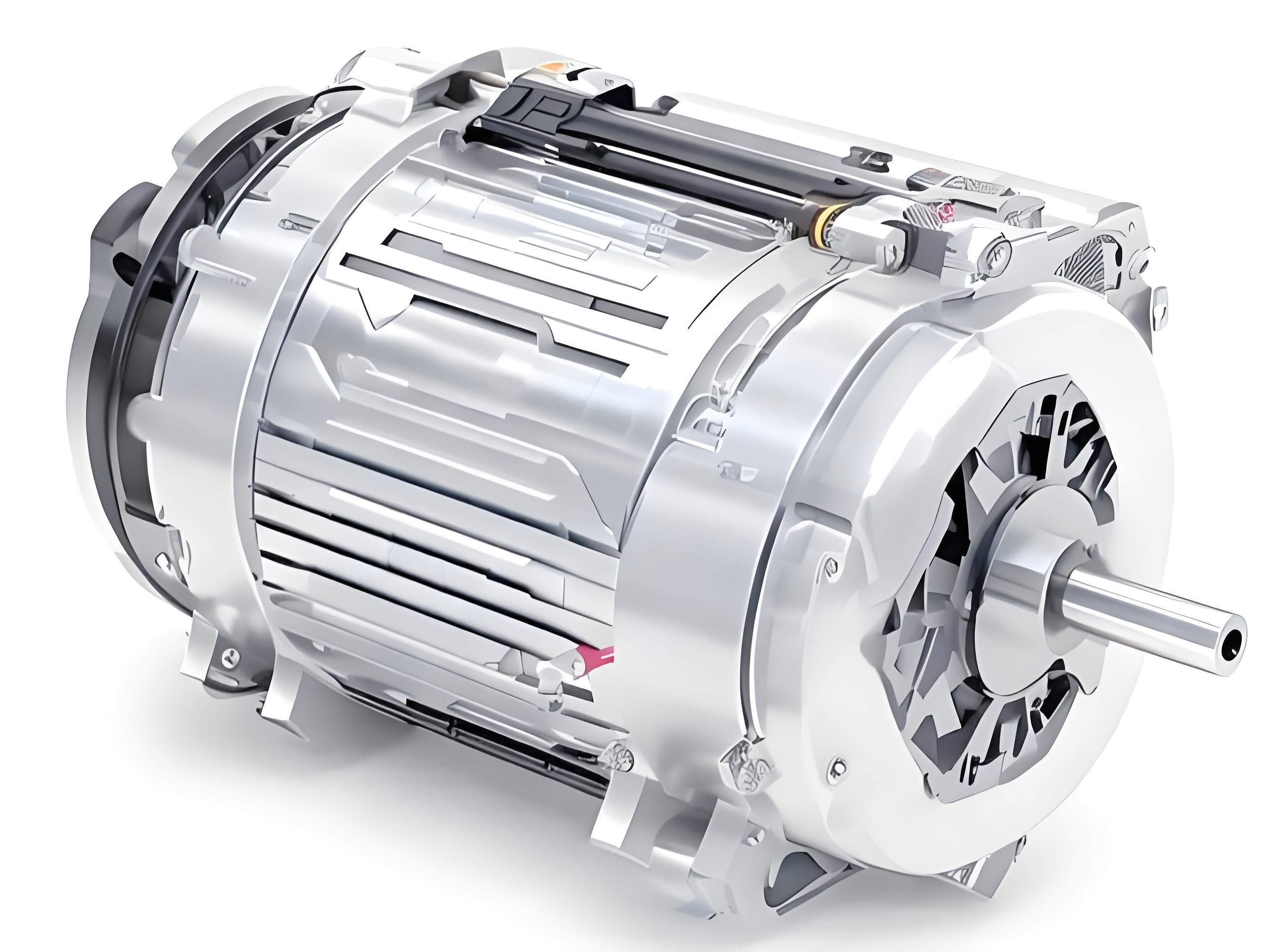
The stator is the stationary part of the AC electric motor. It consists of a set of coils, known as the stator windings, which are wound around a laminated iron core. The lamination of the iron core reduces eddy current losses, improving the motor's efficiency. The stator windings are connected to the AC power supply. When an alternating current passes through these windings, they generate a rotating magnetic field.
Rotor
The rotor is the rotating part of the motor. There are different types of rotors used in AC motors, but the two most common are the squirrel - cage rotor and the wound - rotor. The squirrel - cage rotor is made of a series of conductive bars, usually made of copper or aluminum, short - circuited at both ends by end rings. The wound - rotor, on the other hand, has coils similar to the stator windings, which can be connected to external resistors for speed control purposes.
Bearings
Bearings are essential components that support the rotor, allowing it to rotate smoothly within the stator. They reduce friction between the stationary and moving parts of the motor, minimizing wear and tear and ensuring efficient operation.
Working Principle of an AC Electric Motor
Generation of the Rotating Magnetic Field in the Stator
When an alternating current is applied to the stator windings, a magnetic field is produced around each winding. Due to the alternating nature of the current, these magnetic fields change in magnitude and direction. In a three - phase AC motor (the most common type in industrial applications), the three sets of stator windings are arranged such that the magnetic fields they produce are out of phase with each other. This results in a rotating magnetic field within the stator.
Mathematically, the magnetic field produced by each stator winding can be represented as a sinusoidal function of time. When these three out - of - phase sinusoidal magnetic fields interact, they combine to form a rotating magnetic field. The speed of this rotating magnetic field, known as the synchronous speed (\(N_s\)), is given by the formula:
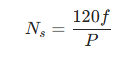
where f is the frequency of the AC supply and P is the number of poles of the motor. For example, in a 60 Hz system with 4 poles, the synchronous speed is 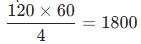 revolutions per minute (RPM).
revolutions per minute (RPM).Interaction between the Rotating Magnetic Field and the Rotor
Once the rotating magnetic field is established in the stator, it induces an electromotive force (EMF) in the rotor. In the case of a squirrel - cage rotor, the conductive bars act as short - circuited loops. According to Faraday's law of electromagnetic induction, when the rotating magnetic field cuts through these conductive bars, an EMF is induced, which in turn causes a current to flow in the bars.
The current - carrying rotor bars are now in the presence of the rotating magnetic field. According to the Lorentz force law, a force is exerted on these current - carrying conductors. The direction of this force is perpendicular to both the direction of the current in the rotor bars and the direction of the magnetic field. This force causes the rotor to start rotating in the same direction as the rotating magnetic field.
However, the rotor never reaches the synchronous speed. There is always a difference between the speed of the rotating magnetic field (synchronous speed) and the speed of the rotor. This difference is called slip (s) and is expressed as a percentage:
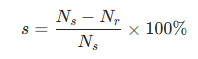
where Nr is the actual speed of the rotor. The slip is necessary for the induction of current in the rotor and the generation of torque.
Different Types of AC Electric Motors and Their Working Characteristics
Induction Motors
Induction motors are the most widely used type of AC electric motors. They rely on the principle of electromagnetic induction to operate, as described above. Induction motors with squirrel - cage rotors are simple, robust, and require very little maintenance. They are commonly used in applications such as fans, pumps, and conveyors.
The speed of an induction motor can be adjusted to some extent by changing the frequency of the AC supply (using variable frequency drives) or by changing the number of poles (in some multi - speed motors). However, the slip always exists, which means that the rotor speed is always lower than the synchronous speed.
Synchronous Motors
Synchronous motors operate at the synchronous speed. They have a rotor that is either a permanent magnet or has an additional DC - excited winding. In a synchronous motor with a DC - excited rotor, a separate DC power supply is used to magnetize the rotor.
The rotating magnetic field in the stator attracts the magnetized rotor, causing it to rotate at the same speed as the magnetic field. Synchronous motors are used in applications where a constant speed is required, such as in power generation (as generators), and in some industrial processes where precise speed control is essential.
Single - Phase AC Motors
Single - phase AC motors are commonly used in household appliances and small - scale applications. Since single - phase power does not produce a rotating magnetic field on its own, these motors require special starting mechanisms. Some common types of single - phase motors include split - phase motors, capacitor - start motors, and shaded - pole motors.
For example, in a split - phase motor, the stator has two sets of windings: a main winding and an auxiliary winding. The auxiliary winding has a higher resistance and lower inductance compared to the main winding. When the motor is started, the current in the auxiliary winding leads the current in the main winding, creating a phase difference that produces a rotating magnetic field for starting. Once the motor reaches a certain speed, a centrifugal switch disconnects the auxiliary winding.
Conclusion
AC electric motors are remarkable devices that play a vital role in our daily lives and industries. Their operation is based on the fundamental principles of electromagnetism, with the interaction between the rotating magnetic field in the stator and the induced currents in the rotor being the key to generating mechanical motion. Understanding the components, working principles, and different types of AC electric motors helps us appreciate their efficiency, versatility, and the wide range of applications they serve. Whether it's powering the fan in your room or the massive machinery in a factory, AC electric motors continue to be the workhorses of the modern world.
Do AC Motors Have Brushes
How Does an AC Motor Work
Related Article

Brushless DC (BLDC) motors are widely used in EVs, drones, industrial machinery, and robotics for their efficiency and long lifespan. Unlike brushed motors—where reversing direction only requires swapping power leads—BLDC motors rely on electronic commutation, making direction reversal more nuanced.
How to Reverse Direction in Brushless Motors

Brushed and brushless DC motors are two of the most common electric motor designs, powering everything from toys to electric vehicles. While both convert electrical energy to mechanical motion, their internal structures, performance, and use cases differ drastically.
What’s the Difference Between a Brushed and Brushless Motor

Brushed DC motors are reliable, but wear and tear over time can lead to failure. Whether you’re troubleshooting a power tool, household appliance, or industrial conveyor motor, knowing the signs of a bad brushed motor saves time and prevents further damage.
How to Know If a Brushed Motor Is Bad
