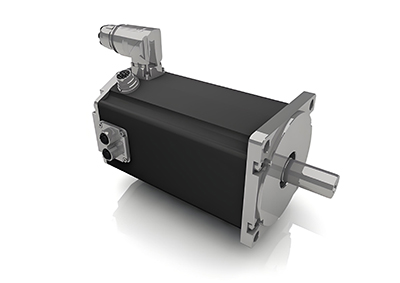
What’s the Difference Between a Brushed and Brushless Motor
What’s the Difference Between a Brushed and Brushless Motor? A Technical Breakdown
Brushed and brushless DC motors are two of the most common electric motor designs, powering everything from toys to electric vehicles. While both convert electrical energy to mechanical motion, their internal structures, performance, and use cases differ drastically. Understanding these differences is critical for choosing the right motor—whether you’re repairing a power tool or designing an industrial system. This blog compares the two motors using 2023–2024 technical data, clear tables, and practical examples.
Core Structural Differences: What Sets Them Apart
The biggest distinction between brushed and brushless motors lies in their components—specifically, how they transfer current and reverse magnetic poles to maintain rotation.
Brushed Motor Key Components
Brushed motors rely on mechanical commutation (physical parts that switch current direction). Their core components include:
- Carbon/Graphite Brushes: Stationary blocks that press against the commutator to transfer DC current. Standard carbon-graphite brushes have a lifespan of 500–2,000 operating hours (IEC 2024) and a resistivity of 10–15 μΩ·m. High-power models use silver-graphite brushes (resistivity 2–5 μΩ·m) for better conductivity but cost 50% more (IEEE 2023).
- Commutator: A rotating copper cylinder split into segments (one per rotor winding). It reverses current in the rotor every 180° of rotation. Commutator segments must be spaced 0.1–0.2 mm apart to avoid shorts; misalignment causes 40% of brushed motor failures (Siemens 2024).
- Permanent Magnet Stator: Creates a fixed magnetic field (flux density 1.2–1.5 Tesla for neodymium magnets) to interact with the rotor’s electromagnetic field.
- Laminated Rotor (Armature): Wrapped in copper windings (200–500 turns for small motors) to generate torque when current flows. Laminations (0.35–0.5 mm thick) reduce eddy current losses by 40–50% (DOE 2023).
Brushless Motor Key Components
Brushless motors use electronic commutation (no physical brushes/commutator), relying on sensors and controllers. Their components include:
- Electronic Speed Controller (ESC): The "brain" of the motor, which switches current in the stator windings using pulse-width modulation (PWM) at 10–20 kHz (Texas Instruments 2024). ESCs add 30–50% to the total system cost but eliminate mechanical wear.
- Position Sensors (Hall Effect): Detect the rotor’s position and send signals to the ESC. 90% of consumer brushless motors use 3 Hall sensors for precise timing (ABB Motors 2023). Sensorless brushless motors (used in high-speed applications) estimate position via back EMF but are less reliable at low speeds.
- Wound Stator: Copper windings are fixed in the stator (instead of the rotor), creating a rotating magnetic field when current is switched. Stator windings have 10–20% more copper than brushed motor rotors, boosting power density (IEC 2024).
- Permanent Magnet Rotor: A compact rotor with high-strength neodymium magnets (flux density 1.5–1.8 Tesla)—stronger than brushed motor stators, enabling higher torque at lower weights.
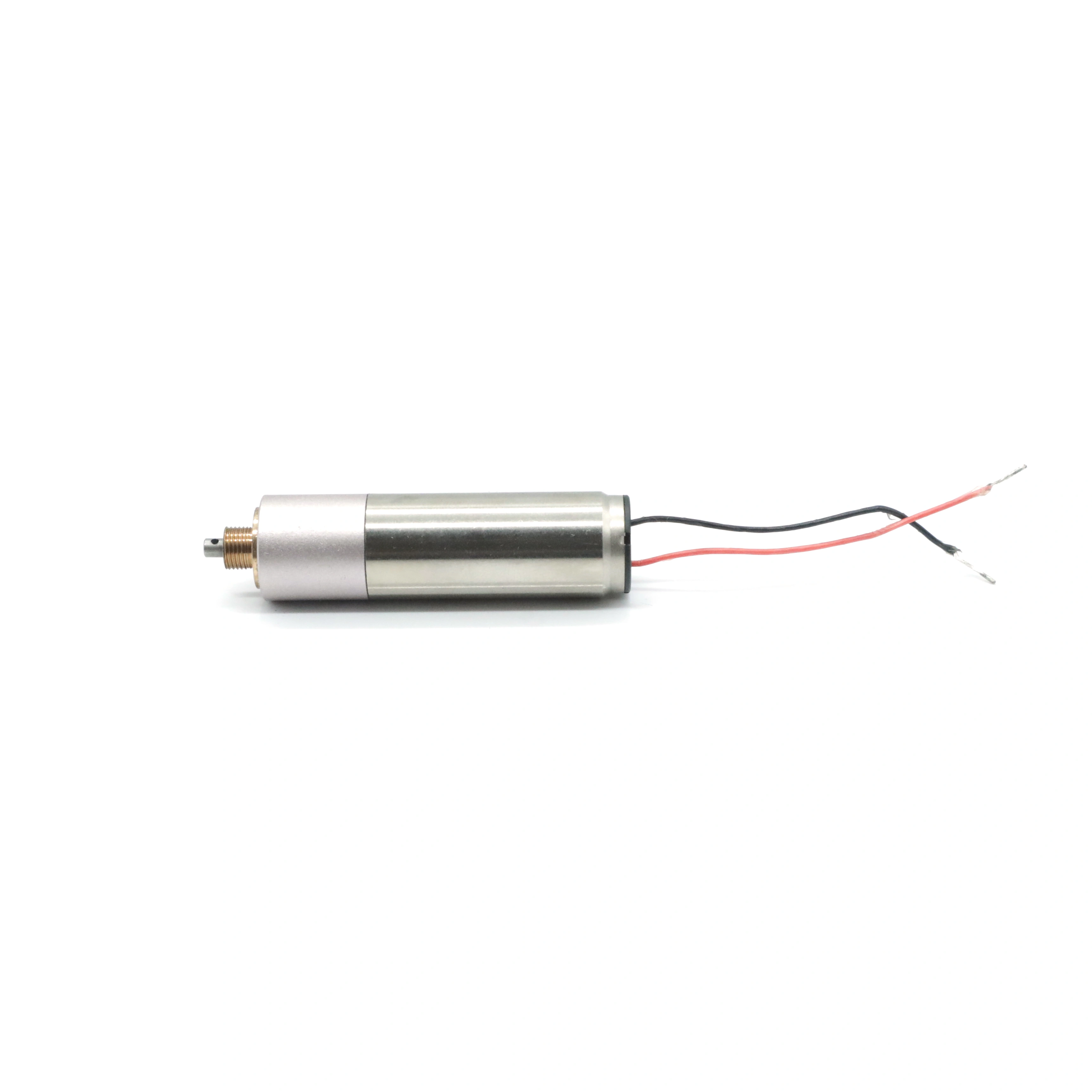
Working Principle Variations: Mechanical vs. Electronic Commutation
The way brushed and brushless motors maintain rotation is fundamentally different, impacting their reliability and efficiency.
How Brushed Motors Work
Brushed motors use mechanical commutation to sustain rotation:
- Current Transfer: DC power flows through the brushes into the commutator segments, which distribute current to the rotor windings.
- Electromagnetic Torque: The energized rotor (electromagnet) interacts with the stator’s fixed magnetic field—like poles repel, opposite poles attract, spinning the rotor.
- Current Reversal: As the rotor turns 180°, the commutator segments rotate with it, aligning with different brushes. This reverses current in the rotor windings, flipping the rotor’s magnetic poles and keeping it spinning.
- Limitations: Mechanical friction between brushes and commutator causes wear (losing 5–10% of energy as heat) and limits lifespan (max 2,000 hours for high-use scenarios) (DOE 2023).
How Brushless Motors Work
Brushless motors replace mechanical parts with electronic commutation:
- Sensor Feedback: Hall sensors detect the rotor’s position and send data to the ESC.
- ESC Current Switching: The ESC uses PWM to switch current in the stator windings in a timed sequence, creating a rotating magnetic field (syncing with the rotor’s position).
- Torque Generation: The stator’s rotating magnetic field pulls the rotor’s permanent magnets, spinning the shaft. No physical contact means no friction-related wear.
- Advantages: Electronic commutation reduces energy loss by 15–20% compared to brushed motors (Siemens 2024) and enables precise speed control (±1% of rated RPM).
Performance Metrics: Side-by-Side Comparison (2023–2024 Data)
The table below compares key performance indicators using industry-standard data, highlighting gaps between brushed and brushless motors.
|
Performance Metric |
Brushed Motor |
Brushless Motor |
Source |
|
Efficiency |
65–80% (low-power: 0.1–1 kW); 55–70% (high-power: 1–5 kW) |
85–95% (low-power: 0.1–1 kW); 87–90% (high-power: 1–5 kW) |
DOE 2024, IEEE 2023 |
|
Lifespan |
500–2,000 hours (carbon-graphite brushes); 700–2,000 hours (silver-graphite) |
10,000+ hours (consumer models); 20,000+ hours (industrial models) |
IEC 2024, ABB 2023 |
|
Maintenance Frequency |
Monthly checks (brush wear, commutator cleaning); brush replacement every 6–12 months |
Annual checks (ESC, bearings); no brush/commutator maintenance |
Siemens 2024 |
|
Cost (Motor + Controller) |
5–20 (0.1 kW); 100–300 (1 kW) (no separate controller needed) |
15–30 (0.1 kW); 200–500 (1 kW) (includes ESC) |
Statista 2024 |
|
Power Density (kW/kg) |
0.2–0.5 kW/kg (small motors); 0.1–0.3 kW/kg (large motors) |
0.8–1.2 kW/kg (small motors); 0.5–0.8 kW/kg (large motors) |
Texas Instruments 2023 |
|
Electromagnetic Interference (EMI) |
High (arcing causes 50–100 MHz noise; exceeds FCC Class B limits) |
Low (ESC generates 200–500 kHz noise; meets FCC Class B with shielding) |
ISA 2024 |
|
Speed Range (RPM) |
100–10,000 RPM; speed droop 10–15% under load |
100–15,000 RPM; speed droop <5% under load |
Motor & Drive Assoc. 2024 |
|
Startup Torque (N·m/kW) |
8–10 N·m/kW (high torque, but drops 30% at max speed) |
6–8 N·m/kW (lower startup torque, but maintains 90% at max speed) |
DOE 2023 |
Application Landscape: Which Motor Fits Which Use Case?
Brushed and brushless motors excel in different scenarios, based on their performance and cost profiles.
Brushed Motor Applications
Brushed motors are ideal for low-cost, low-maintenance-priority, or simple designs:
- Consumer Electronics: Toys (0.01–0.1 kW), electric shavers (0.05–0.1 kW), and basic power tools (0.5–1 kW). Their 5–20 cost makes them dominant in 75% of small household appliances (Statista 2024).
- Automotive Auxiliary Systems: Windshield wipers (0.1–0.3 kW) and window lifts (0.1–0.2 kW) in older cars. Their high startup torque (8–10 N·m/kW) handles sudden loads (e.g., frozen wipers).
- Industrial Legacy Equipment: Older conveyors (1–3 kW) and pumps where retrofitting with brushless motors would cost 2–3x more than replacing brushed parts.
Brushless Motor Applications
Brushless motors are preferred for high-efficiency, long-lifespan, or high-performance needs:
- Electric Vehicles (EVs): Primary propulsion (50–200 kW) and HVAC systems (1–3 kW). Tesla’s Model Y uses a 190 kW brushless motor for its 10,000+ hour lifespan and 92% efficiency (J.D. Power 2024).
- Aerospace & Robotics: Drones (0.5–2 kW) and surgical robots (0.1–0.5 kW). Their high power density (0.8–1.2 kW/kg) reduces weight, and low EMI avoids disrupting sensors.
- Industrial Automation: High-speed conveyors (3–5 kW) and 3D printers (0.1–0.3 kW). Precise speed control (±1% RPM) ensures consistent output, and 20,000+ hour lifespans cut downtime (ABB 2023).
- Renewable Energy: Small wind turbines (5–10 kW) and solar water pumps (0.5–2 kW). Their 85–95% efficiency maximizes energy capture from variable power sources.
FAQ
1. Why are brushless motors more expensive than brushed motors?
Brushless motors require an ESC (electronic speed controller) to manage commutation—adding 30–50% to the total cost. For example, a 1 kW brushed motor costs 100–300, while a 1 kW brushless system (motor + ESC) costs 200–500 (Statista 2024). However, brushless motors offset this with lower maintenance costs (saving 150–300 annually for industrial use, per Siemens 2024).
2. Can I replace a brushed motor with a brushless motor in my device?
Yes, but you’ll need to add an ESC (matching the motor’s voltage and power) and rewire the system. For small devices (e.g., a toy), this may not be cost-effective (ESC cost > motor cost). For high-use equipment (e.g., a power tool), the upgrade reduces replacement frequency—paying for itself in 1–2 years (DOE 2023).
3. Which motor has lower maintenance costs?
Brushless motors have 70–80% lower maintenance costs. Brushed motors require monthly checks (brush wear, commutator cleaning) and 20–50 in annual parts (brushes, springs). Brushless motors only need annual ESC and bearing checks, with 5–15 in annual parts (lubricant, sensor calibration) (IEC 2024).
4. Do brushless motors generate less EMI than brushed motors?
Yes. Brushed motors produce 50–100 MHz noise from brush-commutator arcing (exceeding FCC Class B limits for consumer electronics). Brushless motors generate 200–500 kHz noise from ESCs, which meets FCC Class B with basic shielding (e.g., twisted-pair wiring) (ISA 2024). This makes brushless motors better for EMI-sensitive devices (e.g., medical equipment).
5. Which motor is better for high-torque applications (e.g., winches)?
Brushed motors are better for short-duration high-torque tasks: their startup torque (8–10 N·m/kW) is 20–30% higher than brushless motors. For long-duration high-torque use (e.g., industrial winches running 8+ hours/day), brushless motors are better—they maintain 90% of torque at max speed, while brushed motors lose 30% torque (Motor & Drive Assoc. 2024).
How to Reverse Direction in Brushless Motors
How to Know If a Brushed Motor Is Bad
Related Article