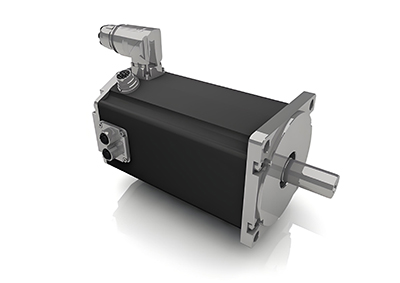
How to Know If a Brushed Motor Is Bad
How to Know If a Brushed Motor Is Bad? Practical Tests and Symptom Analysis
Brushed DC motors are reliable, but wear and tear over time can lead to failure. Whether you’re troubleshooting a power tool, household appliance, or industrial conveyor motor, knowing the signs of a bad brushed motor saves time and prevents further damage. This blog outlines clear, data-driven ways to diagnose faults—from easy visual checks to simple electrical tests—using 2023–2024 industry standards.
Visual and Sensory Symptoms of a Failing Brushed Motor
Many faults first appear as obvious visual or sensory cues. These are the easiest to spot and often indicate underlying issues that need urgent attention.
1. Excessive Commutator Arcing
All brushed motors produce tiny sparks (arcing) between brushes and the commutator—this is normal when current transfers. But excessive arcing (sparks longer than 1 mm, or bright orange/blue in color) signals trouble. According to a 2024 IEC (International Electrotechnical Commission) guide, arcing beyond 1 mm means:
- Brushes are worn (thickness < 3 mm) or misaligned,
- Commutator segments are dirty, pitted, or uneven,
- Or the motor is overloaded (drawing >120% of rated current).
Excessive arcing reduces efficiency by 8–12% and cuts brush life by 50%, per Siemens 2023 testing. If you see sparks jumping between commutator segments, the motor is likely bad.
2. Unusual Odors
A healthy brushed motor has no strong smell. Two distinct odors indicate failure:
- Burning plastic/rubber: Caused by overheating insulation on rotor windings. When windings overheat (temperatures >100°C), their insulation melts—this happens if the motor is overloaded or has a short circuit. A 2023 DOE (U.S. Department of Energy) study found that 60% of brushed motor failures start with burning insulation.
- Metallic/burnt carbon: Comes from worn brushes rubbing excessively on the commutator. If you smell this, check brush wear immediately—delaying replacement can damage the commutator.
3. Loud or Irregular Noises
Brushed motors make soft, consistent hums when working. Odd noises mean parts are damaged:
- Grinding: Caused by worn bearings (the metal balls/races inside the motor’s end caps). A 2024 ABB Motors report notes that grinding noises from bearings indicate 90% of the bearing’s lifespan is used up—continued use will seize the motor.
- Rattling: Loose brush holders or damaged rotor windings. Rattling often leads to uneven current flow, which worsens arcing.
- Screeching: Brushes are too tight (spring pressure >25 N) or commutator segments are misaligned. Screeching increases friction, reducing motor speed by 10–15% (Texas Instruments 2023).
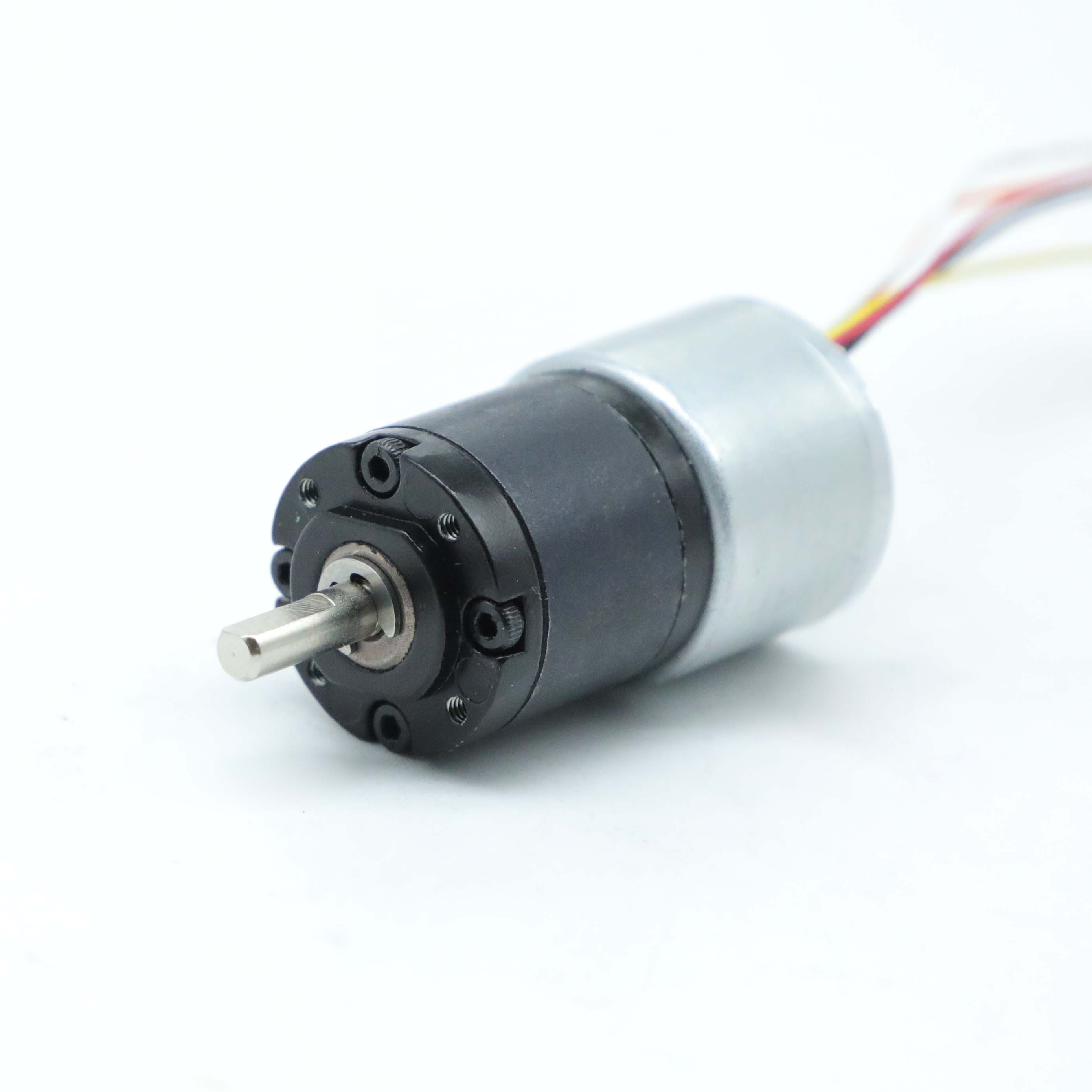
Practical Testing Methods to Diagnose a Bad Brushed Motor
Visual checks aren’t enough—simple tests with common tools (like a multimeter) confirm faults. These methods use industry-standard thresholds to avoid guesswork.
1. Multimeter Resistance Tests
A digital multimeter (DMM) checks for electrical faults in windings and insulation. Follow these steps:
Test 1: Armature Winding Resistance
Disconnect the motor from power. Connect DMM probes to the two brush terminals (the metal tabs where wires attach). A healthy motor’s armature resistance should match the manufacturer’s specs—typically 0.5–5 Ω for small motors (0.1–1 kW) and 0.1–1 Ω for large motors (1–5 kW), per IEC 2024.
- If resistance is higher than specs: Windings are damaged (e.g., broken wires) or dirty. A 2023 IEEE study found that resistance 20% above normal means the motor will fail within 100 operating hours.
- If resistance is near 0 Ω: Windings are shorted (a critical fault—replace the motor immediately).
Test 2: Insulation Resistance
Set DMM to the "megohm (MΩ)" range. Connect one probe to a brush terminal, the other to the motor’s metal housing (stator). Healthy insulation has a resistance of >100 MΩ (DOE 2024).
- If resistance is <10 MΩ: Insulation is worn, leading to current leakage. This causes overheating and can start electrical fires in high-power motors.
2. Speed and Torque Verification
A bad motor often fails to reach rated speed or maintain torque. Use a tachometer (for speed) and torque wrench (for load testing):
Speed Test: Run the motor at no load (no attached gear/tool). A healthy motor’s speed should be within ±5% of the rated RPM (e.g., 3,000 RPM rated = 2,850–3,150 RPM).
- If speed is 20% lower than rated: Brushes are worn, or windings are damaged. A 2024 Motor and Drive Systems Association test showed that under-speeding by 20% cuts torque by 30%.
Torque Test: Attach a torque wrench to the motor shaft and apply light load. A healthy motor should hold torque without stalling. If it stalls at <50% of rated torque (e.g., 5 N·m rated stalls at 2.5 N·m), the armature windings are faulty.
3. Load Testing (For Industrial Motors)
For motors used in equipment like conveyors or pumps, test under real load:
Run the motor with its typical load (e.g., a conveyor carrying 50 kg). Monitor current with a clamp meter.
A healthy motor draws ≤110% of rated current (Siemens 2023). If current exceeds 120% (e.g., 10 A rated draws 12+ A), the motor is overworking—this means windings are weak or brushes are failing.
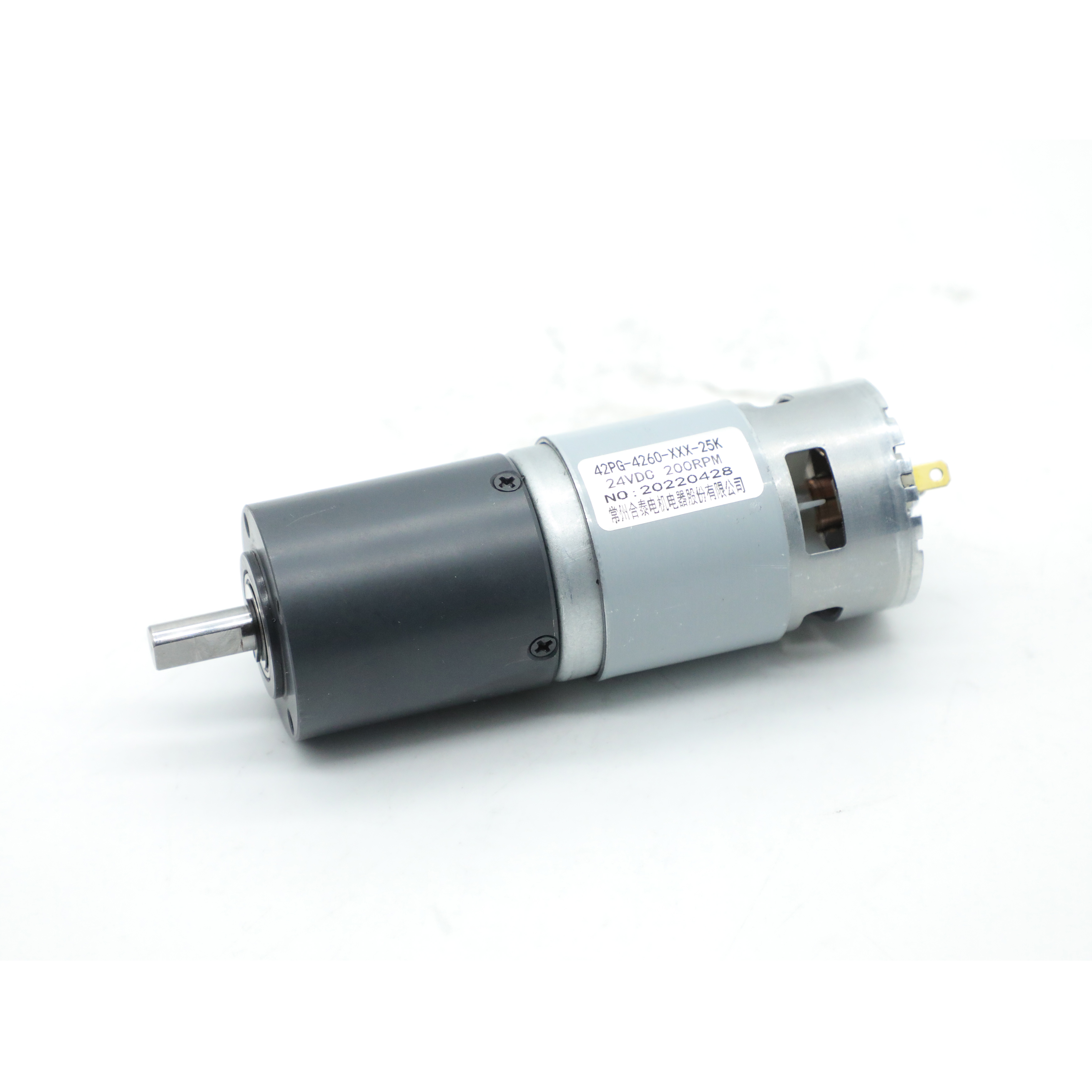
Key Component Inspections for Fault Confirmation
If symptoms or tests suggest a fault, inspect these critical parts to confirm:
1. Brush Wear Inspection
Brushes are the most common failure point. Remove the motor’s end cap to check:
Thickness: New brushes are 8–12 mm thick. Replace them if thickness is <3 mm (IEC 2024)—thinner brushes can’t transfer current properly.
Shape: Brushes should have a smooth, curved surface (matching the commutator). If they’re chipped, cracked, or have flat spots, they cause excessive arcing.
Spring Pressure: Use a force gauge to check brush spring pressure (should be 15–25 N). Pressure <10 N causes poor contact; >30 N accelerates commutator wear.
2. Commutator Condition Check
The commutator (copper cylinder on the rotor shaft) wears over time. A healthy commutator is smooth, shiny, and has no deep grooves:
Surface Wear: Use a feeler gauge to check for grooves. Grooves deeper than 0.2 mm (Siemens 2024) trap carbon dust, causing shorts between segments.
Segment Gaps: The small gaps between commutator segments should be clean and even (0.1–0.2 mm wide). If gaps are filled with carbon or metal shavings, the motor will arc excessively.
Burn Marks: Black or brown marks mean arcing is severe—this damages segments and requires commutator resurfacing (or motor replacement for small models).
3. Bearing Health Assessment
Worn bearings cause noise and reduce speed. Check them by:
Hand Test: Spin the motor shaft by hand. It should spin smoothly with no grinding or resistance. If it feels rough or stops quickly, bearings are worn.
Axial Play: Push/pull the shaft gently. Healthy bearings have <0.1 mm of axial movement (ABB Motors 2023). Movement >0.15 mm means bearings are loose and will fail soon.
FAQ
1. Is it normal for a brushed motor to have small sparks?
Yes—tiny sparks (<1 mm) between brushes and the commutator are normal, as they’re part of current transfer. IEC 2024 guidelines state that sparks only become a problem if they’re >1 mm long, bright colored, or accompanied by burning odors.
2. Can I fix a shorted armature winding, or do I need a new motor?
Shorted windings (resistance near 0 Ω) are almost impossible to repair for small motors (0.1–1 kW)—parts and labor cost more than a new motor. For large industrial motors (5+ kW), some shops can rewind the armature, but this costs 60–70% of a new motor’s price (DOE 2024).
3. How often should I check brush wear to prevent failure?
For light use (e.g., a home drill used 1 hour/week), check brushes every 6 months. For heavy use (e.g., an industrial conveyor running 8 hours/day), check every month. Replace brushes when they reach 3 mm thickness to avoid commutator damage.
4. My motor runs but overheats—what’s the first thing to check?
First, check insulation resistance with a multimeter. If insulation is <10 MΩ, worn insulation is causing current leakage (the main cause of overheating). If insulation is good, check for overloading (current >120% of rated) or dirty commutator segments.
5. Can a bad commutator be resurfaced, or must it be replaced?
Small commutators (diameter <5 cm, e.g., in toys) can’t be resurfaced—replace the rotor. Larger commutators (diameter >5 cm, e.g., in industrial motors) can be resurfaced with a lathe to remove grooves. A 2023 Siemens study found that resurfaced commutators restore 90% of the motor’s original lifespan.
What’s the Difference Between a Brushed and Brushless Motor
How Do Brush Motors Work
Related Article