


How to Clean DLC Coating
2025-05-23
How to Clean DLC Coating
DLC (Diamond-Like Carbon) coating is renowned for its hardness, wear resistance, and low friction properties, making it a popular choice in various industries from automotive to electronics. However, like any surface, it requires proper cleaning to maintain its performance and appearance over time. In this blog post, we'll delve into the effective methods and best practices for cleaning DLC coating.
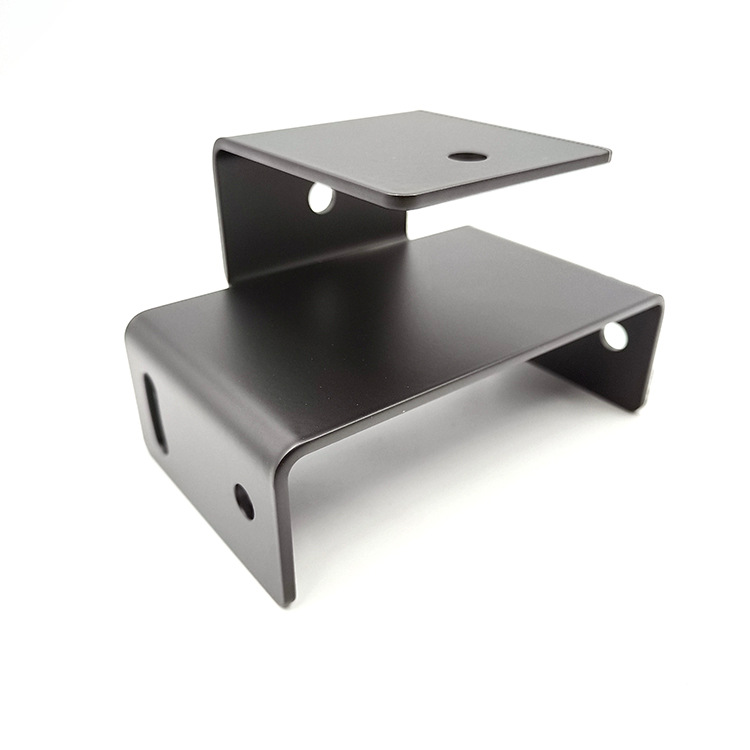
Understanding the Importance of Cleaning DLC Coating
DLC coating, while highly durable, can still accumulate dirt, grime, oil, and other contaminants. If left uncleaned, these substances can scratch the surface, reduce its anti-friction capabilities, and even affect its corrosion resistance. Regular and correct cleaning not only preserves the aesthetic appeal of the coated item but also extends its lifespan and ensures optimal functionality.
Preparing for Cleaning
Before you start cleaning, it's essential to gather the right materials. You'll need a soft microfiber cloth, which is gentle enough not to scratch the DLC coating. For the cleaning solution, mild dish soap diluted in warm water works well for most general cleaning tasks. Avoid using abrasive cleaners, solvents, or harsh chemicals as they can damage the coating.
Step-by-Step Cleaning Process
1. Remove Loose Debris
Begin by using compressed air or a soft brush to gently remove any loose dirt, dust, or debris from the surface of the DLC coating. This step is crucial as it prevents these particles from scratching the coating during the subsequent cleaning steps.
2. Prepare the Cleaning Solution
Mix a small amount of mild dish soap with warm water in a container. Stir gently to create a soapy solution. Make sure the water is warm, not hot, as extreme temperatures can potentially harm the coating.
3. Clean the Coated Surface
Dip the microfiber cloth into the soapy solution, wring it out slightly to avoid excess dripping, and then gently wipe the DLC-coated surface in a circular motion. Apply light pressure and cover the entire surface thoroughly. Pay special attention to areas that are more prone to contamination, such as edges and corners.
4. Rinse Thoroughly
After cleaning with the soapy solution, rinse the surface with clean, warm water. You can use a spray bottle or a gentle stream of water to ensure all the soap residue is removed. Residual soap can leave a film on the surface, attracting more dirt over time.
5. Dry the Surface
Use a clean, dry microfiber cloth to pat the surface dry. Avoid rubbing vigorously, as this can cause water spots or even micro-scratches. Make sure the entire surface is completely dry before using or storing the coated item.
Handling Stubborn Stains
For more stubborn stains like oil or grease, you may need to use a specialized cleaner designed for delicate surfaces. Apply a small amount of the cleaner to a microfiber cloth and gently blot the stained area. Avoid scrubbing too hard. If the stain persists, repeat the process until it's removed, and then follow the regular cleaning steps to rinse and dry the surface.
Maintenance Tips for DLC Coating
To keep your DLC-coated items in top condition, make it a habit to clean them regularly, especially if they are used in environments where they are exposed to dirt or chemicals frequently. Additionally, store the coated items in a clean, dry place to prevent unnecessary contamination.
In conclusion, cleaning DLC coating doesn't have to be a complex task. By following these simple steps and using the right cleaning materials, you can ensure that your DLC-coated products remain in excellent condition, continuing to offer their superior performance and aesthetic appeal for years to come.
What Does a CNC Machine Do
What is DLC Coating
Related Article

Brushless DC (BLDC) motors are widely used in EVs, drones, industrial machinery, and robotics for their efficiency and long lifespan. Unlike brushed motors—where reversing direction only requires swapping power leads—BLDC motors rely on electronic commutation, making direction reversal more nuanced.
How to Reverse Direction in Brushless Motors

Brushed and brushless DC motors are two of the most common electric motor designs, powering everything from toys to electric vehicles. While both convert electrical energy to mechanical motion, their internal structures, performance, and use cases differ drastically.
What’s the Difference Between a Brushed and Brushless Motor

Brushed DC motors are reliable, but wear and tear over time can lead to failure. Whether you’re troubleshooting a power tool, household appliance, or industrial conveyor motor, knowing the signs of a bad brushed motor saves time and prevents further damage.
How to Know If a Brushed Motor Is Bad
