


How to Test a DC Motor
2025-06-17
How to Test a DC Motor?
DC motors are widely used in various applications, from household appliances to industrial machinery. Ensuring their proper functionality is crucial for the smooth operation of the systems they power. Whether you're an engineer troubleshooting an issue or a hobbyist working on a project, knowing how to test a DC motor accurately can save time and prevent costly repairs. In this blog post, we'll walk you through a comprehensive guide on how to test a DC motor, covering everything from basic electrical checks to performance evaluations.
Preparing for the Test
Safety First
Before starting any testing, it's essential to prioritize safety. Unplug the motor from its power source to avoid the risk of electric shock. If the motor is part of a larger system, follow the proper shutdown procedures and discharge any stored electrical energy, such as in capacitors. Wear appropriate personal protective equipment (PPE), including insulated gloves and safety glasses, especially when handling high-voltage motors.
Gather the Necessary Tools
To conduct a thorough test, you'll need several tools. A multimeter is a must-have for measuring electrical properties like voltage, current, and resistance. You may also require a tachometer to measure the motor's speed, a load testing device to simulate different operating conditions, and a vibration analyzer to check for abnormal vibrations. Additionally, having a set of basic hand tools, such as screwdrivers and wrenches, will come in handy for disassembling and reassembling the motor if needed.
Familiarize Yourself with the Motor
Take the time to review the motor's specifications, including its rated voltage, current, speed, and torque. This information is usually available on the motor's nameplate or in the manufacturer's documentation. Understanding the motor's ratings will help you interpret the test results accurately and determine if the motor is operating within its designed parameters.
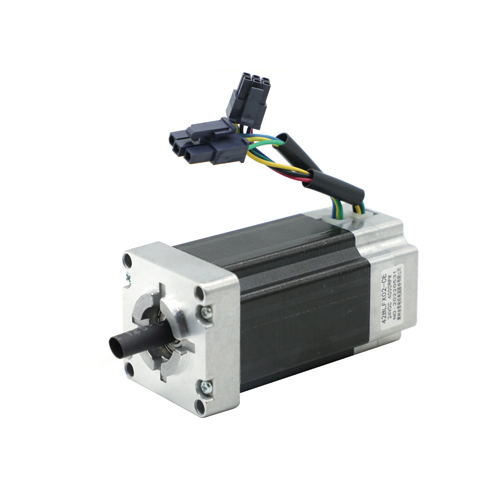
Basic Electrical Tests
Continuity Check
Using a multimeter set to the continuity mode, check the windings of the DC motor. For a brushed DC motor, connect the multimeter probes to the two terminals of the armature winding. You should get a low resistance reading, indicating that the winding is continuous. A high or infinite resistance value may suggest an open circuit in the winding, which could be due to a broken wire or a faulty connection.
For a brushless DC motor, you'll need to check the phase windings. Typically, there are three phase windings, and you should measure the resistance between each pair of phases. The resistance values between the phases should be relatively equal. If there's a significant difference in the resistance readings, it could indicate a problem with one of the windings, such as a short circuit or an open circuit.
Insulation Resistance Test
Insulation resistance is crucial for preventing electrical leakage and ensuring the motor's safety. Use a megohmmeter (insulation resistance tester) to measure the insulation resistance between the motor windings and the motor frame. Connect one terminal of the megohmmeter to the motor winding and the other terminal to the grounded frame. A healthy motor should have a high insulation resistance value, usually in the megohm range. If the insulation resistance is low, it could mean that the insulation has deteriorated, and the motor may pose a safety hazard or be prone to electrical failures.
Voltage and Current Measurement
Connect the DC motor to its power source and use a multimeter set to the voltage and current measurement modes to check the input voltage and the current drawn by the motor. The measured voltage should match the motor's rated voltage within an acceptable tolerance. The current drawn by the motor will vary depending on the load it's driving. Compare the measured current with the motor's rated current. If the current is significantly higher than the rated value, it could indicate a problem such as a short circuit in the winding or a mechanical issue causing excessive friction.
Performance Tests
Speed Measurement
To measure the speed of the DC motor, you can use a tachometer. There are different types of tachometers available, such as contact and non-contact tachometers. For a contact tachometer, attach the tachometer's probe to the motor's shaft and start the motor. The tachometer will display the rotational speed of the motor in revolutions per minute (RPM). Compare the measured speed with the motor's rated speed. If the speed is significantly lower or higher than the rated value, it could be due to issues like a faulty speed controller, incorrect voltage supply, or mechanical problems.
A non-contact tachometer, on the other hand, uses optical or magnetic sensors to measure the speed without making physical contact with the motor shaft. This type of tachometer is useful for measuring the speed of motors that are difficult to access or when you want to avoid any potential damage to the motor shaft.
Torque Measurement
Measuring the torque of a DC motor is more complex and usually requires specialized equipment, such as a torque sensor or a dynamometer. These devices can accurately measure the torque output of the motor under different load conditions. By applying a known load to the motor and measuring the torque, you can evaluate the motor's performance and determine if it can handle the required load. If the measured torque is lower than the rated torque, it could indicate problems with the motor's design, winding, or magnetic field.
Vibration and Noise Analysis
Abnormal vibrations and noise can be signs of underlying problems in a DC motor. Use a vibration analyzer to measure the vibration levels of the motor during operation. High vibration levels could be caused by issues such as unbalanced rotors, misaligned shafts, worn-out bearings, or loose components. Listen carefully to the motor while it's running and note any unusual noises, such as grinding, humming, or rattling sounds. These noises can also help you identify potential problems, such as bearing failures, mechanical interference, or electrical arcing.
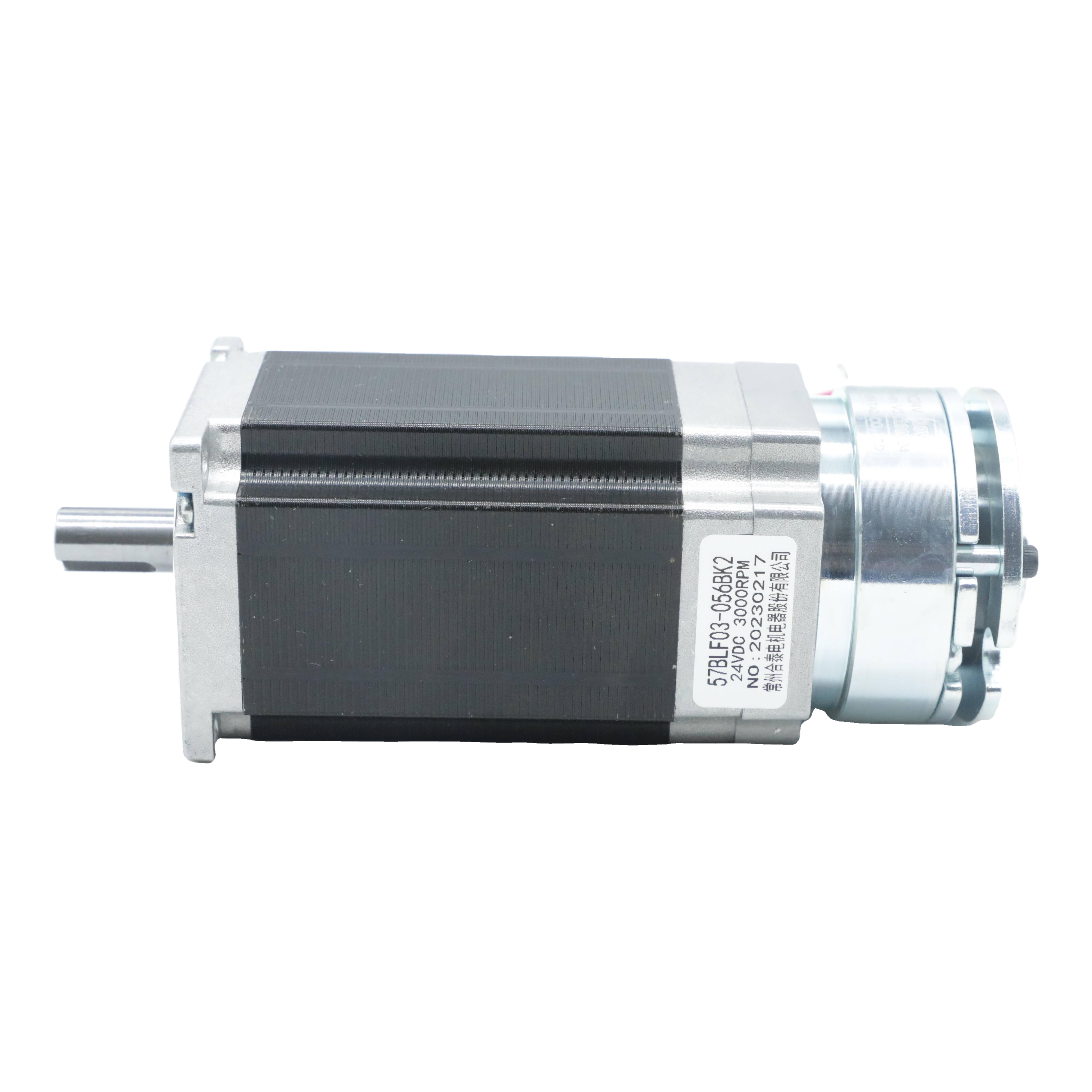
Troubleshooting and Diagnosis
If any of the test results indicate abnormal performance or potential issues, it's time to troubleshoot the DC motor. Start by checking the obvious components, such as the power supply, connections, and brushes (if applicable). Ensure that the power supply is stable and within the motor's rated voltage range. Check for loose or damaged connections and repair or replace them as needed. If the motor has brushes, inspect them for wear and tear. Worn-out brushes can cause poor electrical contact, leading to reduced performance and increased electrical arcing.
If the basic electrical and mechanical components appear to be in good condition, further diagnostic tests may be required. This could involve disassembling the motor to inspect the internal components, such as the windings, bearings, and rotors. Look for signs of damage, such as burnt windings, damaged bearings, or broken rotor bars. Based on the findings, you can determine the root cause of the problem and take the appropriate corrective actions, such as repairing or replacing the faulty components.
Testing a DC motor is a systematic process that involves a combination of basic electrical tests, performance evaluations, and troubleshooting techniques. By following the steps outlined in this guide, you can accurately assess the condition of a DC motor, identify potential issues, and ensure its reliable operation. Whether you're maintaining existing equipment or working on a new project, having the knowledge and skills to test DC motors effectively is an invaluable asset in the world of electrical engineering and maintenance.
What is a Brushed DC Motor
What is Brushless DC Motor
Related Article

Brushless DC (BLDC) motors are widely used in EVs, drones, industrial machinery, and robotics for their efficiency and long lifespan. Unlike brushed motors—where reversing direction only requires swapping power leads—BLDC motors rely on electronic commutation, making direction reversal more nuanced.
How to Reverse Direction in Brushless Motors

Brushed and brushless DC motors are two of the most common electric motor designs, powering everything from toys to electric vehicles. While both convert electrical energy to mechanical motion, their internal structures, performance, and use cases differ drastically.
What’s the Difference Between a Brushed and Brushless Motor

Brushed DC motors are reliable, but wear and tear over time can lead to failure. Whether you’re troubleshooting a power tool, household appliance, or industrial conveyor motor, knowing the signs of a bad brushed motor saves time and prevents further damage.
How to Know If a Brushed Motor Is Bad
