


What Does a CNC Machine Do
2025-05-24
What Does a CNC Machine Do?
In the dynamic landscape of modern manufacturing, Computer Numerical Control (CNC) machines have emerged as the unsung heroes, revolutionizing the way we create and produce goods. But what does a CNC machine do exactly? This blog aims to demystify the capabilities and significance of these remarkable machines, exploring their inner workings, diverse applications, and the impact they have on various industries.
Understanding the Basics: What is a CNC Machine?
At its core, a CNC machine is a sophisticated piece of automated equipment that interprets digital instructions to control the movement of tools and machinery. Unlike traditional manual machines, which rely on human operators to guide the cutting, shaping, or drilling processes, CNC machines operate with precision and consistency, following pre-programmed code to execute complex tasks with unparalleled accuracy.
The magic of a CNC machine lies in its ability to translate digital designs, typically created using Computer-Aided Design (CAD) software, into physical objects. These designs are converted into a language that the machine can understand, known as G-code or M-code, which contains a series of commands that dictate the machine's movements, speeds, and feeds. Once the code is loaded into the machine's control system, the CNC machine springs into action, using a combination of motors, sensors, and actuators to bring the digital design to life.
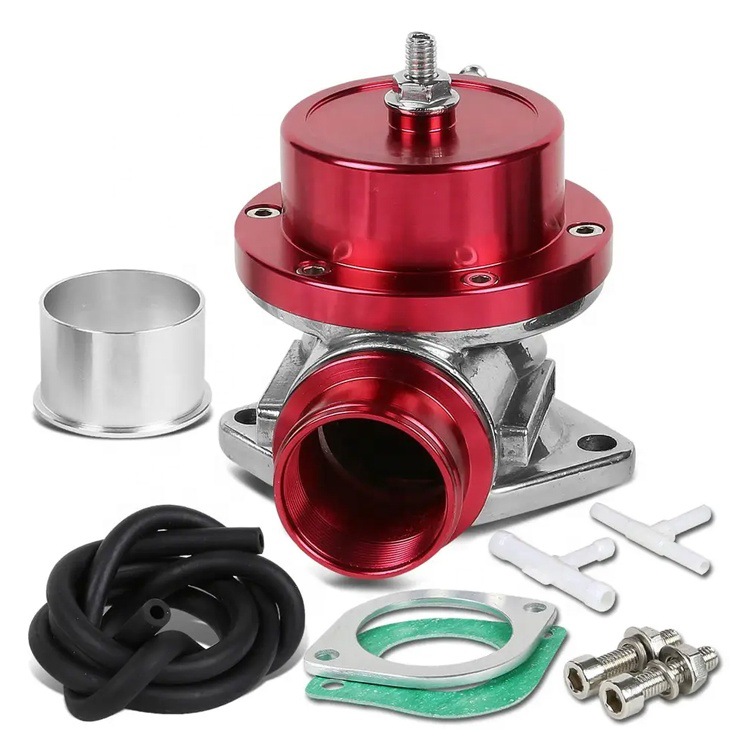
How Does a CNC Machine Work?
The operation of a CNC machine can be broken down into several key steps:
1. Design Creation
The process begins with the creation of a digital design using CAD software. This software allows designers to create 2D or 3D models of the desired object, specifying its dimensions, shape, and features. The design is then saved as a file format that can be read by the CNC machine, such as a .dxf or .stl file.
2. CAM Programming
Once the design is complete, it is imported into Computer-Aided Manufacturing (CAM) software, which converts the CAD model into a set of instructions that the CNC machine can understand. The CAM software takes into account the material being used, the type of tooling required, and the desired machining operations, such as milling, turning, or drilling, to generate the G-code or M-code.
3. Machine Setup
Before the CNC machine can begin machining, it must be properly set up. This involves installing the appropriate tooling, securing the workpiece to the machine's table, and calibrating the machine's axes to ensure accurate positioning. The operator also loads the G-code or M-code into the machine's control system and sets the machining parameters, such as the spindle speed, feed rate, and depth of cut.
4. Machining
With the machine set up and the code loaded, the CNC machine is ready to begin machining. The control system reads the G-code or M-code line by line, sending commands to the machine's motors and actuators to move the tooling along the specified paths and perform the desired machining operations. The machine's sensors monitor the position and movement of the tooling, providing feedback to the control system to ensure that the machining is performed accurately and consistently.
5. Quality Control
Once the machining is complete, the operator inspects the finished part to ensure that it meets the required specifications. This may involve using measuring tools, such as calipers or micrometers, to check the dimensions of the part, or using non-destructive testing methods, such as X-ray or ultrasonic testing, to detect any internal defects. If the part does not meet the specifications, the operator may need to make adjustments to the machining parameters or the G-code and re-run the machining process.
Applications of CNC Machines
CNC machines are used in a wide range of industries, from aerospace and automotive to medical and consumer goods. Some of the most common applications of CNC machines include:
1. Milling
Milling is a machining process that uses a rotating cutter to remove material from a workpiece, creating flat surfaces, slots, holes, and complex shapes. CNC milling machines are widely used in the manufacturing of metal and plastic parts, such as engine blocks, gears, and molds.
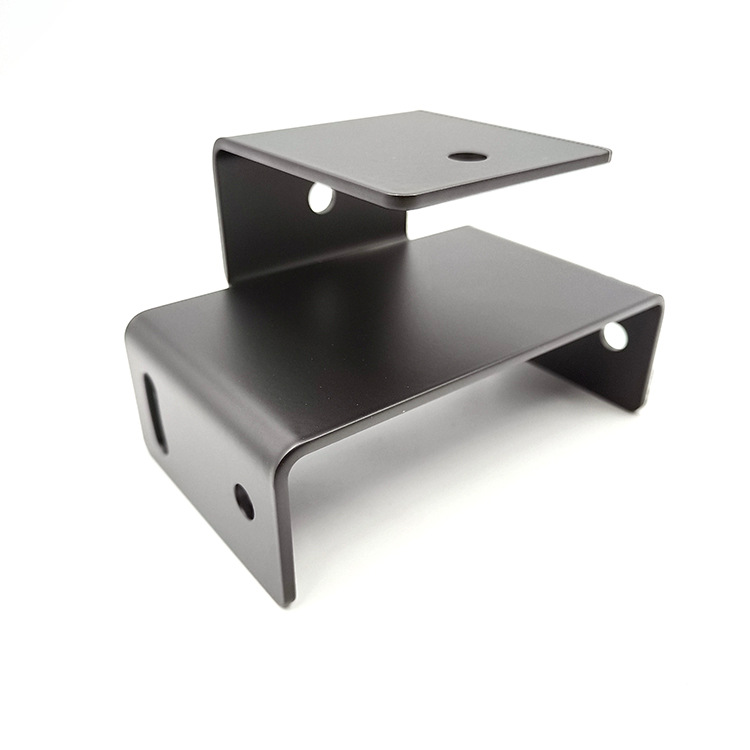
2. Turning
Turning is a machining process that uses a lathe to rotate a workpiece while a cutting tool removes material from the surface, creating cylindrical shapes, threads, and tapers. CNC turning machines are commonly used in the production of shafts, bolts, and other cylindrical components.
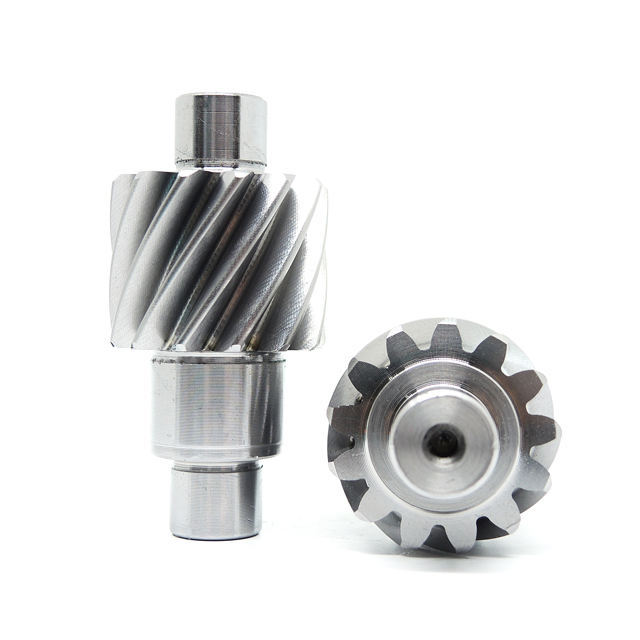
3. Drilling
Drilling is a machining process that uses a drill bit to create holes in a workpiece. CNC drilling machines are used in a variety of applications, from creating holes for screws and bolts to drilling complex patterns in printed circuit boards.
4. Laser Cutting
Laser cutting is a non-contact machining process that uses a high-powered laser beam to cut through materials, such as metal, plastic, and wood. CNC laser cutting machines are used in a wide range of industries, from signage and advertising to aerospace and automotive.
5. 3D Printing
3D printing, also known as additive manufacturing, is a process that builds three-dimensional objects layer by layer from a digital model. CNC 3D printers are used in a variety of applications, from prototyping and product development to medical implants and aerospace components.
Benefits of CNC Machines
The use of CNC machines offers several advantages over traditional manual machines, including:
1. Precision and Accuracy
CNC machines are capable of achieving extremely high levels of precision and accuracy, with tolerances as tight as a few thousandths of an inch. This makes them ideal for applications that require precise machining, such as the production of aerospace components, medical devices, and high-precision tools.
2. Consistency and Repeatability
CNC machines can perform the same machining operations repeatedly with the same level of accuracy and consistency, ensuring that each part produced is identical to the previous one. This makes them ideal for mass production applications, where large quantities of parts need to be produced quickly and efficiently.
3. Increased Productivity
CNC machines can operate continuously for long periods of time without the need for human intervention, allowing for increased productivity and reduced labor costs. They can also perform multiple machining operations in a single setup, reducing the need for multiple machines and setups.
4. Flexibility and Versatility
CNC machines can be programmed to perform a wide range of machining operations, from simple drilling and milling to complex 3D machining and laser cutting. This makes them highly versatile and adaptable to different manufacturing needs and requirements.
5. Improved Quality Control
CNC machines are equipped with sensors and feedback systems that monitor the machining process in real-time, allowing for immediate detection and correction of any errors or deviations. This ensures that the finished parts meet the required specifications and quality standards, reducing the need for rework and scrap.
Conclusion
In conclusion, CNC machines have revolutionized the manufacturing industry, offering unparalleled precision, accuracy, and productivity. Whether you're a small business owner looking to increase your production capabilities or a large corporation seeking to improve your manufacturing processes, investing in a CNC machine can be a game-changer. By understanding what a CNC machine does and how it works, you can make informed decisions about which type of machine is right for your business and how to use it effectively to achieve your manufacturing goals.
What is Factory Automation
How to Clean DLC Coating
Related Article

Brushless DC (BLDC) motors are widely used in EVs, drones, industrial machinery, and robotics for their efficiency and long lifespan. Unlike brushed motors—where reversing direction only requires swapping power leads—BLDC motors rely on electronic commutation, making direction reversal more nuanced.
How to Reverse Direction in Brushless Motors

Brushed and brushless DC motors are two of the most common electric motor designs, powering everything from toys to electric vehicles. While both convert electrical energy to mechanical motion, their internal structures, performance, and use cases differ drastically.
What’s the Difference Between a Brushed and Brushless Motor

Brushed DC motors are reliable, but wear and tear over time can lead to failure. Whether you’re troubleshooting a power tool, household appliance, or industrial conveyor motor, knowing the signs of a bad brushed motor saves time and prevents further damage.
How to Know If a Brushed Motor Is Bad
