


What is a DC Electric Motor
2025-06-10
What is a DC Electric Motor?
In the world of electrical engineering and modern technology, DC electric motors play a crucial role. From powering small household appliances to being integral components in industrial machinery, these motors are ubiquitous yet often misunderstood. In this blog post, we'll explore in detail what a DC electric motor is, how it works, its key components, and its diverse applications.
Defining the DC Electric Motor

A DC (Direct Current) electric motor is an electrical machine that converts direct current electrical energy into mechanical energy. Unlike alternating current (AC) motors, which operate on a constantly changing electrical current, DC motors rely on a steady - flow of direct current. This characteristic gives them unique advantages in terms of speed control, torque characteristics, and ease of operation in certain applications.
DC motors have been around for over a century and continue to be widely used today. According to industry statistics, DC motors account for approximately 30% of all motor applications in industries where precise speed control and high - starting torque are required. Their ability to provide smooth and adjustable rotational power makes them indispensable in numerous sectors.
How Does a DC Electric Motor Work?
The operation of a DC electric motor is based on the principle of electromagnetism. When an electric current passes through a conductor placed in a magnetic field, a force is exerted on the conductor. In a DC motor, this principle is harnessed to create rotational motion.
The Role of the Magnetic Field
DC motors typically have a permanent magnet or an electromagnet that creates a stationary magnetic field. In the case of permanent - magnet DC motors, powerful permanent magnets are used to generate the magnetic field. For larger industrial - grade DC motors, electromagnets are often employed, which are created by passing an electric current through coils of wire. This magnetic field provides the backdrop against which the motor's operation occurs.
The Armature and Commutation
The armature is a key component of the DC motor. It consists of a set of coils of wire wound around a cylindrical core. When direct current is passed through these armature coils, they become electromagnets. The interaction between the magnetic field of the armature and the stationary magnetic field (from the permanent magnet or electromagnet) generates a force that causes the armature to rotate.
However, for the continuous rotation of the armature, the direction of the current in the armature coils needs to be reversed at regular intervals. This is where the commutator comes in. The commutator is a split - ring device that connects the stationary electrical supply to the rotating armature coils. As the armature rotates, the commutator ensures that the current in the coils changes direction at the right moment, allowing the armature to keep rotating in the same direction.
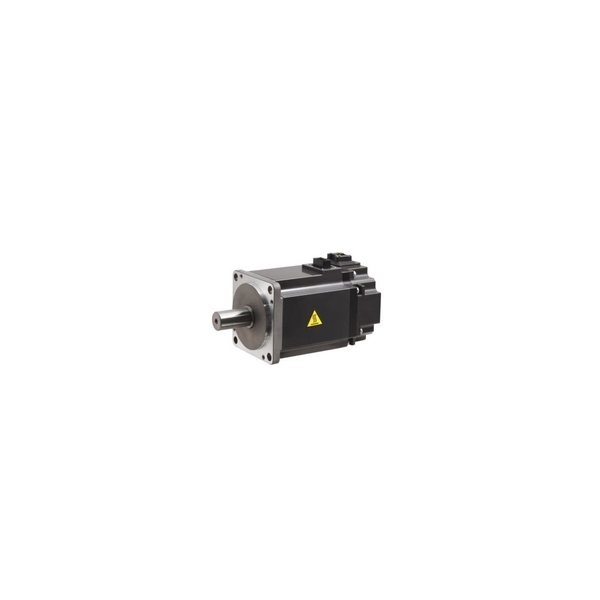
Key Components of a DC Electric Motor
Stator
The stator is the stationary part of the DC motor. It houses the magnetic field - generating component, whether it's a permanent magnet or an electromagnet. The stator provides the stable magnetic environment that interacts with the armature to produce motion. In some cases, the stator may also include additional components such as brushes and brush holders, which are used to make electrical contact with the commutator.
Rotor (Armature)
As mentioned earlier, the rotor, or armature, is the rotating part of the motor. It consists of the coil windings, a core made of a magnetic material (usually iron), and the shaft. The armature is designed to be lightweight yet strong enough to withstand the mechanical stresses generated during rotation. The coil windings are carefully arranged to maximize the interaction with the magnetic field, ensuring efficient conversion of electrical energy into mechanical energy.
Commutator
The commutator is a critical component that enables the continuous rotation of the motor. It is usually made of segments of copper separated by insulating material. The brushes, which are typically made of carbon, make contact with the commutator segments. As the commutator rotates with the armature, the brushes ensure that the current is fed into the correct armature coils at the right time, facilitating the reversal of current direction.
Brushes
The brushes are responsible for making electrical contact between the stationary power supply and the rotating commutator. They must be able to conduct electricity efficiently while also withstanding the mechanical wear caused by the friction with the commutator. Over time, the brushes may need to be replaced as they wear down, which is a common maintenance task for DC motors.
Applications of DC Electric Motors
Consumer Electronics
DC motors are widely used in consumer electronics. In devices such as electric shavers, hair dryers, and small fans, DC motors provide the necessary rotational power. Their compact size, ease of control, and relatively low cost make them ideal for these applications. For example, in a cordless electric shaver, a small permanent - magnet DC motor drives the blades, allowing for smooth and efficient shaving.
Automotive Industry
In the automotive sector, DC motors have numerous applications. They are used in starter motors, which are responsible for cranking the engine when the vehicle is started. DC motors are also found in windshield wipers, power windows, and sunroof mechanisms. Additionally, in hybrid and electric vehicles, DC motors play a crucial role in powering various auxiliary systems and, in some cases, contributing to the vehicle's propulsion.
Industrial Machinery
In industrial settings, DC motors are used in applications where precise speed control and high - torque output are required. They are commonly found in conveyor systems, where they can be adjusted to control the speed of the conveyor belt accurately. DC motors are also used in machine tools such as lathes and milling machines, where their ability to provide smooth and consistent rotational power is essential for machining operations.
Advantages and Disadvantages of DC Electric Motors
Advantages
One of the main advantages of DC motors is their excellent speed control capabilities. By simply adjusting the voltage supplied to the motor, the speed can be varied over a wide range. They also offer high starting torque, which means they can quickly accelerate heavy loads from a standstill. Additionally, DC motors are relatively simple in design compared to some other types of motors, making them easier to understand, maintain, and repair.
Disadvantages
However, DC motors also have some drawbacks. The presence of brushes and commutators in traditional DC motors means they are subject to wear and tear, which can lead to maintenance issues and a limited lifespan. Brushes may need to be replaced regularly, and commutator segments can become damaged over time. DC motors also tend to generate more electrical noise compared to some AC motors, which can be a concern in certain sensitive applications.
In conclusion, DC electric motors are versatile and essential components in a wide range of applications. Their unique ability to convert direct current into mechanical energy, combined with their advantages in speed control and torque, makes them a popular choice in many industries. While they have their limitations, understanding the workings and characteristics of DC motors is crucial for anyone involved in electrical engineering, manufacturing, or the use of electrical devices.
What is Brushless DC Motor
How Does a DC Electric Motor Work
Related Article

Brushless DC (BLDC) motors are widely used in EVs, drones, industrial machinery, and robotics for their efficiency and long lifespan. Unlike brushed motors—where reversing direction only requires swapping power leads—BLDC motors rely on electronic commutation, making direction reversal more nuanced.
How to Reverse Direction in Brushless Motors

Brushed and brushless DC motors are two of the most common electric motor designs, powering everything from toys to electric vehicles. While both convert electrical energy to mechanical motion, their internal structures, performance, and use cases differ drastically.
What’s the Difference Between a Brushed and Brushless Motor

Brushed DC motors are reliable, but wear and tear over time can lead to failure. Whether you’re troubleshooting a power tool, household appliance, or industrial conveyor motor, knowing the signs of a bad brushed motor saves time and prevents further damage.
How to Know If a Brushed Motor Is Bad
