


What is a DC Motor
2025-05-30
What is a DC Motor? A Complete Guide
In the realm of electrical engineering, the DC (Direct Current) motor stands as a fundamental and versatile device with a wide array of applications. If you've ever wondered “What is a DC motor?” and how it functions, this blog post will provide a comprehensive overview, covering its definition, working principles, components, applications, and more.
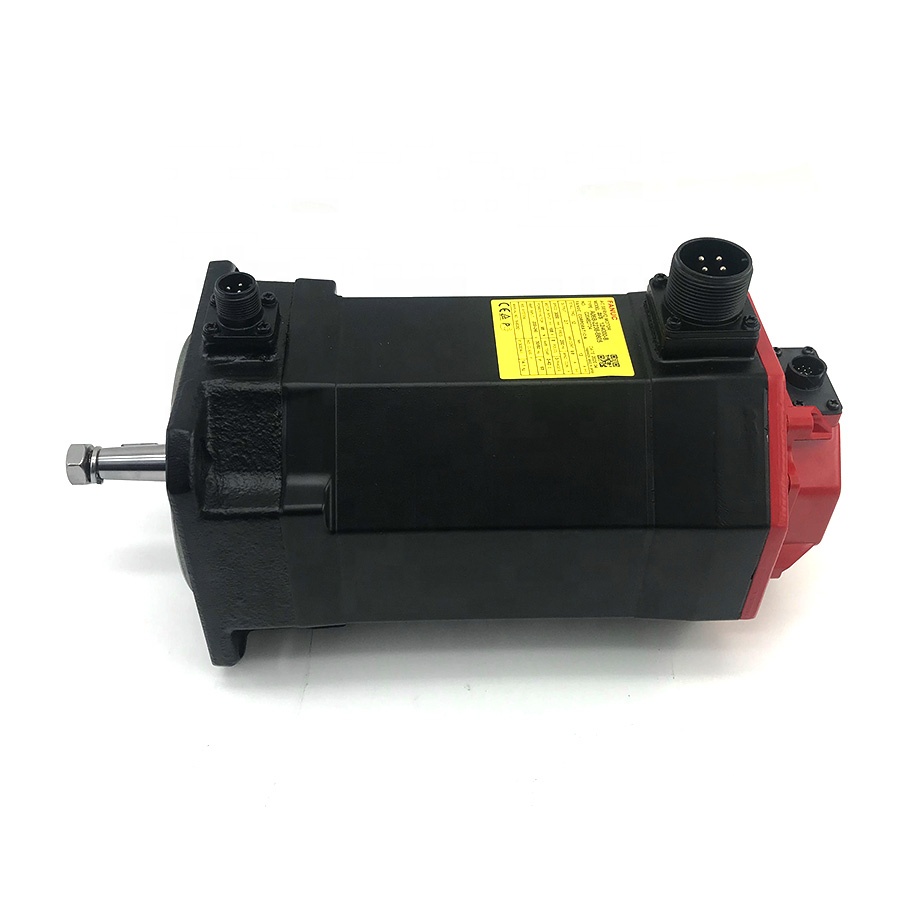
Defining the DC Motor
Basics and Origins
A DC motor is an electrical machine that converts direct current electrical energy into mechanical energy. It operates on the principle of electromagnetism, where the interaction between magnetic fields and electric currents generates rotational motion. The concept of DC motors dates back to the early 19th century. Scientists like Michael Faraday made significant contributions to the understanding of electromagnetism, which laid the foundation for the development of the DC motor. Over time, DC motors have evolved and become a crucial part of countless systems, from small-scale consumer electronics to large industrial machinery.
Core Principle
The basic principle behind a DC motor is based on the Lorentz force. When an electric current-carrying conductor is placed in a magnetic field, it experiences a force. In a DC motor, this force acts on the coil (armature) placed within a magnetic field created by permanent magnets or electromagnets. As the current in the coil changes direction periodically, the force causes the coil to rotate continuously, thus converting electrical energy into mechanical rotation.
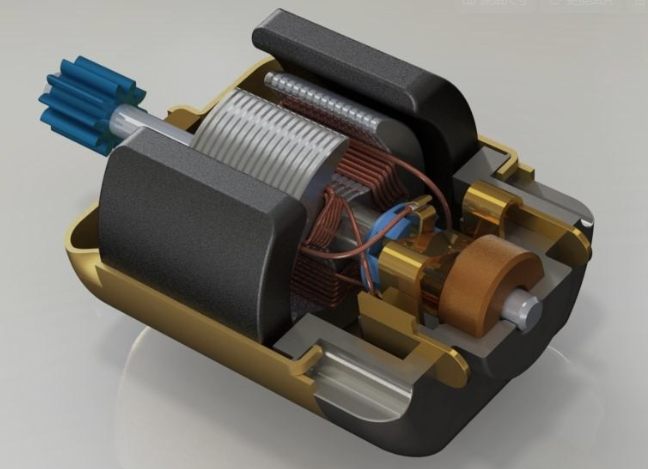
Components of a DC Motor
Armature
The armature is a key component of a DC motor. It consists of a core made of laminated soft iron to reduce eddy current losses. Wound around the core are coils of insulated wire, which carry the electric current. When the current passes through these coils, they become electromagnets and interact with the magnetic field of the motor, generating the necessary torque for rotation. The armature is mounted on a shaft, which transfers the rotational motion to the load connected to the motor.
Commutator
The commutator is a cylindrical device made of segments of copper, insulated from each other. Its primary function is to reverse the direction of current in the armature coils at regular intervals. This is essential for maintaining continuous rotation. As the armature rotates, the commutator ensures that the magnetic poles of the armature coils are constantly interacting with the external magnetic field in a way that keeps the motor turning. Brushes, usually made of carbon, make contact with the commutator segments and supply the electric current to the armature coils.
Magnetic Field Source
The magnetic field in a DC motor can be generated in two ways. In permanent magnet DC motors, strong permanent magnets are used to create the magnetic field. These motors are often compact, efficient, and require less maintenance. In the case of DC motors with electromagnets (also known as field coils), an external power source supplies current to the coils, which then generate the magnetic field. This type of configuration allows for more control over the strength of the magnetic field, enabling features like speed and torque adjustment.
How Does a DC Motor Work?
Step-by-Step Operation
When direct current is supplied to the DC motor, it first passes through the brushes and reaches the commutator. The commutator distributes the current to the appropriate segments of the armature coils. As the current flows through the coils, a magnetic field is created around them. This magnetic field interacts with the external magnetic field (from permanent magnets or electromagnets). According to the Lorentz force law, the interaction generates a torque that causes the armature to rotate. As the armature turns, the commutator changes the direction of the current in the coils at the right moment, ensuring that the torque always acts in the same rotational direction and the motor continues to spin.
Speed and Torque Control
DC motors offer several methods for speed and torque control. By varying the voltage supplied to the motor, the speed can be adjusted. Increasing the voltage generally increases the speed, while decreasing it reduces the speed. In the case of DC motors with field coils, changing the current through the field coils can also control the speed and torque. Reducing the field current weakens the magnetic field, which in turn increases the speed of the motor but may decrease the torque. Additionally, electronic control circuits like Pulse Width Modulation (PWM) can be used to precisely control the speed of DC motors by rapidly switching the power on and off at a high frequency.
Applications of DC Motors
In Consumer Electronics
DC motors are commonly found in consumer electronics. In portable devices such as smartphones, tablets, and laptops, they are used in components like cooling fans to keep the internal components from overheating. In cameras, DC motors control the zoom and focus mechanisms, allowing for smooth and precise adjustments. Toys, especially remote-controlled ones, often rely on DC motors for movement, providing entertainment for children and hobbyists alike.
In Industrial Settings
In industrial environments, DC motors are utilized in applications where precise speed control and high torque at low speeds are required. They are used in conveyor systems to move materials steadily. DC motors also power machine tools such as lathes and milling machines, enabling accurate machining operations. In the printing industry, they play a crucial role in controlling the movement of paper and the operation of printing mechanisms, ensuring high-quality prints.
In Transportation
DC motors have applications in the transportation sector as well. In electric vehicles, especially in some early models and smaller electric scooters and golf carts, DC motors are used to drive the wheels. Their ability to provide high torque at low speeds makes them suitable for accelerating from a standstill. Additionally, in railway systems, DC motors can be found in some older electric locomotives and are used to control various auxiliary systems like door openers and ventilation fans.
Advantages and Disadvantages of DC Motors
Advantages
One of the significant advantages of DC motors is their excellent speed control capabilities. As mentioned earlier, they can be easily adjusted to operate at different speeds, making them ideal for applications that require precise control. They also offer high torque at low speeds, which is beneficial for tasks like starting heavy loads. DC motors are relatively simple in design compared to some other types of motors, making them easier to understand, maintain, and repair. Moreover, their performance characteristics can be customized by modifying components such as the commutator, brushes, and field windings.
Disadvantages
However, DC motors also have some drawbacks. The presence of brushes and commutators means that they are subject to wear and tear over time. This requires regular maintenance, including brush replacement, to ensure proper operation. The sparks generated at the commutator can also pose a fire hazard in certain environments, such as those with flammable gases or dust. Additionally, DC motors are generally less energy-efficient compared to some modern AC motors, especially in large-scale industrial applications, which can lead to higher operating costs in terms of electricity consumption.
In conclusion, DC motors are remarkable devices with a rich history and diverse applications. Understanding what a DC motor is, how it works, and its various uses can help in choosing the right motor for specific projects and appreciating the role it plays in modern technology. Whether in our daily gadgets or large industrial setups, DC motors continue to be an important part of our electromechanical world.
How Does an AC Motor Work
Why Is the AC Motor So Important
Related Article

Brushless DC (BLDC) motors are widely used in EVs, drones, industrial machinery, and robotics for their efficiency and long lifespan. Unlike brushed motors—where reversing direction only requires swapping power leads—BLDC motors rely on electronic commutation, making direction reversal more nuanced.
How to Reverse Direction in Brushless Motors

Brushed and brushless DC motors are two of the most common electric motor designs, powering everything from toys to electric vehicles. While both convert electrical energy to mechanical motion, their internal structures, performance, and use cases differ drastically.
What’s the Difference Between a Brushed and Brushless Motor

Brushed DC motors are reliable, but wear and tear over time can lead to failure. Whether you’re troubleshooting a power tool, household appliance, or industrial conveyor motor, knowing the signs of a bad brushed motor saves time and prevents further damage.
How to Know If a Brushed Motor Is Bad
