


What is Factory Automation
2025-05-27
What is Factory Automation? Unveiling the Core Components and Transformative Impact
In the ever-evolving landscape of modern manufacturing, factory automation has emerged as a revolutionary force, reshaping the way products are designed, produced, and delivered. At its core, factory automation refers to the use of various control systems, such as computers, robots, and other advanced technologies, to operate and manage industrial machinery and processes with minimal human intervention. This comprehensive approach aims to enhance productivity, improve product quality, reduce costs, and increase overall efficiency within manufacturing facilities.
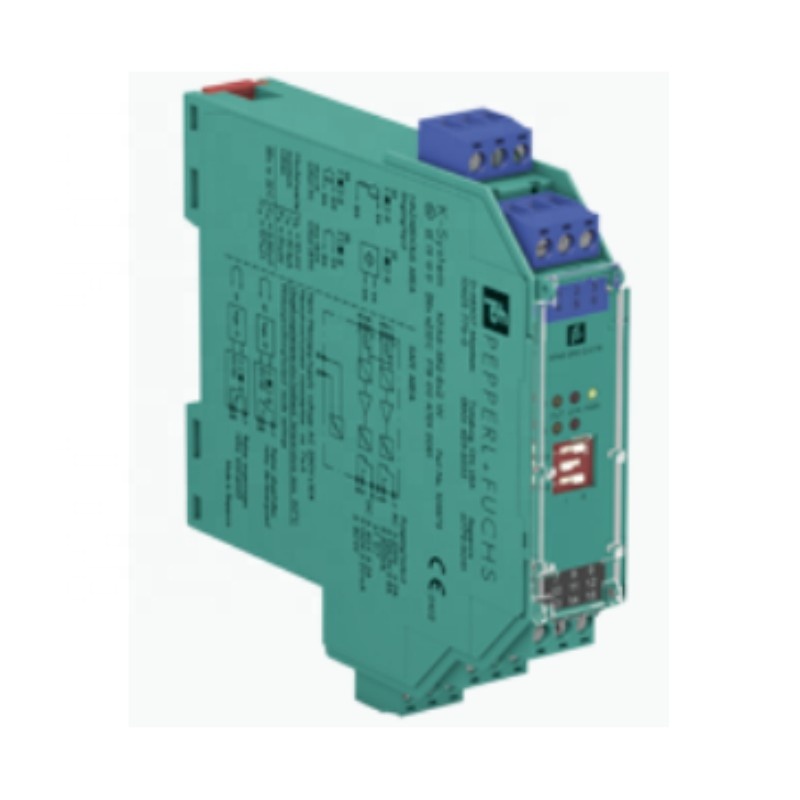
Defining Factory Automation
Factory automation encompasses a wide range of technologies and practices that work in harmony to streamline production processes. It involves the integration of different components, including programmable logic controllers (PLCs), motors, sensors, actuators, and software systems, to create a highly automated and intelligent manufacturing environment. By automating repetitive and labor-intensive tasks, factories can achieve higher levels of precision, consistency, and speed, ultimately leading to improved competitiveness in the global market.
The Evolution of Factory Automation
The concept of factory automation has its roots in the Industrial Revolution, which saw the introduction of mechanical devices and steam engines to replace manual labor. Over the years, advancements in technology have propelled factory automation to new heights, with the development of electronics, computers, and robotics playing a crucial role in its evolution. Today, factory automation has reached a stage where it combines cutting-edge technologies such as artificial intelligence (AI), machine learning (ML), the Internet of Things (IoT), and big data analytics to create smart factories that can adapt and optimize their operations in real-time.
Benefits of Factory Automation
The adoption of factory automation offers numerous benefits for manufacturers, including:
- Increased Productivity: By automating repetitive tasks, factories can operate continuously, reducing downtime and increasing production output.
- Improved Product Quality: Automation systems can perform tasks with high precision and consistency, minimizing errors and defects in the manufacturing process.
- Cost Reduction: While the initial investment in automation technology may be significant, it can lead to long-term cost savings through reduced labor costs, improved energy efficiency, and lower maintenance requirements.
- Enhanced Safety: Automation can eliminate or reduce the need for human workers to perform dangerous or hazardous tasks, improving workplace safety and reducing the risk of accidents and injuries.
- Flexibility and Adaptability: Modern automation systems can be easily reprogrammed and reconfigured to accommodate changes in production requirements, allowing factories to respond quickly to market demands and product variations.
Key Components of Factory Automation
Factory automation relies on several key components that work together to create a seamless and efficient manufacturing process. These components include:
Programmable Logic Controllers (PLCs)
Programmable Logic Controllers, commonly known as PLCs, are the brain of factory automation systems. These industrial computers are designed to control and monitor various processes and machinery in a factory environment. PLCs are programmed using ladder logic or other programming languages to perform specific tasks, such as controlling the movement of conveyor belts, regulating the flow of materials, and monitoring the status of sensors and actuators.

How PLCs Work
PLCs consist of three main components: the central processing unit (CPU), input/output (I/O) modules, and a programming device. The CPU is responsible for executing the program instructions stored in its memory. The I/O modules are used to interface with external devices, such as sensors, motors, and switches, to receive input signals and send output commands. The programming device, which can be a computer or a handheld programmer, is used to write, edit, and download the program to the PLC.
Advantages of PLCs
PLCs offer several advantages over traditional relay-based control systems, including:
- Flexibility: PLCs can be easily reprogrammed to adapt to changing production requirements, making them suitable for a wide range of applications.
- Reliability: PLCs are designed to operate in harsh industrial environments and are highly reliable, with a long lifespan and low maintenance requirements.
- Cost-Effectiveness: PLCs offer a cost-effective solution for controlling and automating industrial processes, as they can replace multiple relay-based control panels with a single PLC.
- Scalability: PLCs can be easily expanded by adding additional I/O modules, allowing factories to increase their automation capabilities as needed.
Motors
Motors are another essential component of factory automation systems. They are used to convert electrical energy into mechanical energy, providing the power required to drive various types of machinery and equipment in a factory. Motors come in different types, including AC motors, DC motors, servo motors, and stepper motors, each with its own unique characteristics and applications.
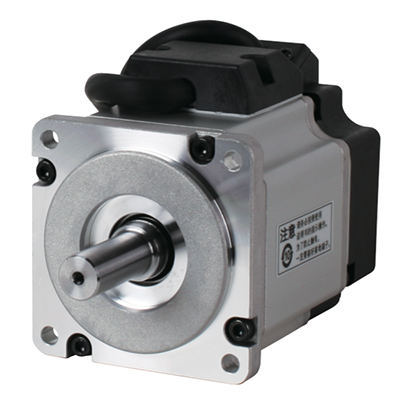
Types of Motors
- AC Motors: AC motors are the most commonly used type of motor in industrial applications. They are powered by alternating current (AC) and are known for their high efficiency, reliability, and low cost. AC motors are used in a wide range of applications, including fans, pumps, conveyors, and machine tools.
- DC Motors: DC motors are powered by direct current (DC) and are known for their high torque and speed control capabilities. They are commonly used in applications that require precise speed control, such as robotics, CNC machines, and electric vehicles.
- Servo Motors: Servo motors are a type of DC motor that is designed to provide precise position control. They are commonly used in applications that require high accuracy and repeatability, such as robotics, automation systems, and CNC machines.
- Stepper Motors: Stepper motors are a type of DC motor that moves in discrete steps. They are commonly used in applications that require precise positioning and control, such as 3D printers, CNC machines, and robotics.
Motor Control
Motor control is an important aspect of factory automation, as it involves the regulation of motor speed, torque, and direction. Motor control systems can be either open-loop or closed-loop, depending on the application requirements. Open-loop control systems use a fixed set of parameters to control the motor, while closed-loop control systems use feedback sensors to monitor the motor's performance and adjust the control parameters accordingly.
Sensors
Sensors are devices that are used to detect and measure physical quantities, such as temperature, pressure, flow, position, and speed. They play a crucial role in factory automation systems by providing real-time data and feedback to the control system, allowing it to make informed decisions and adjustments to the production process. Sensors can be classified into different types, including proximity sensors, limit sensors, temperature sensors, pressure sensors, and flow sensors, each with its own unique characteristics and applications.
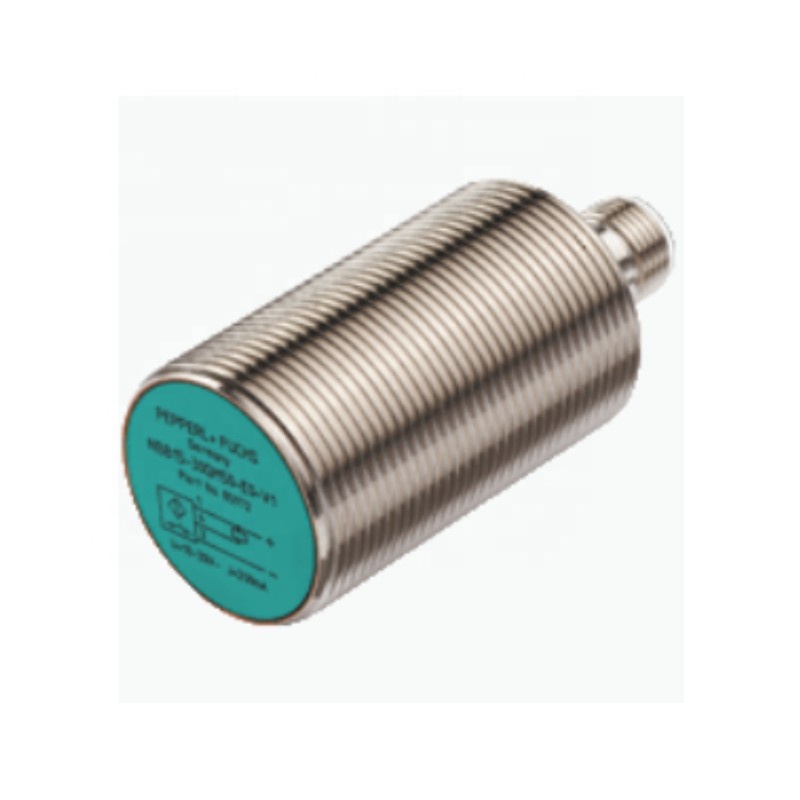
Types of Sensors
- Proximity Sensors: Proximity sensors are used to detect the presence or absence of an object without physical contact. They are commonly used in applications such as conveyor systems, robotic arms, and assembly lines.
- Limit Sensors: Limit sensors are used to detect the position or movement of an object and are commonly used in applications such as elevators, cranes, and automated guided vehicles (AGVs).
- Temperature Sensors: Temperature sensors are used to measure the temperature of a substance or environment and are commonly used in applications such as ovens, furnaces, and refrigeration systems.
- Pressure Sensors: Pressure sensors are used to measure the pressure of a fluid or gas and are commonly used in applications such as hydraulic systems, pneumatic systems, and automotive engines.
- Flow Sensors: Flow sensors are used to measure the flow rate of a fluid or gas and are commonly used in applications such as water treatment plants, oil refineries, and chemical processing plants.
Sensor Integration
Sensors are typically integrated with other components of the factory automation system, such as PLCs, motors, and actuators, to create a closed-loop control system. The sensor data is transmitted to the control system, which uses it to make decisions and adjust the operation of the machinery and equipment accordingly. This integration allows for real-time monitoring and control of the production process, ensuring that it runs smoothly and efficiently.
Actuators
Actuators are devices that are used to convert electrical, hydraulic, or pneumatic energy into mechanical motion. They are commonly used in factory automation systems to control the movement of valves, cylinders, robotic arms, and other types of machinery and equipment. Actuators can be classified into different types, including electric actuators, hydraulic actuators, and pneumatic actuators, each with its own unique characteristics and applications.
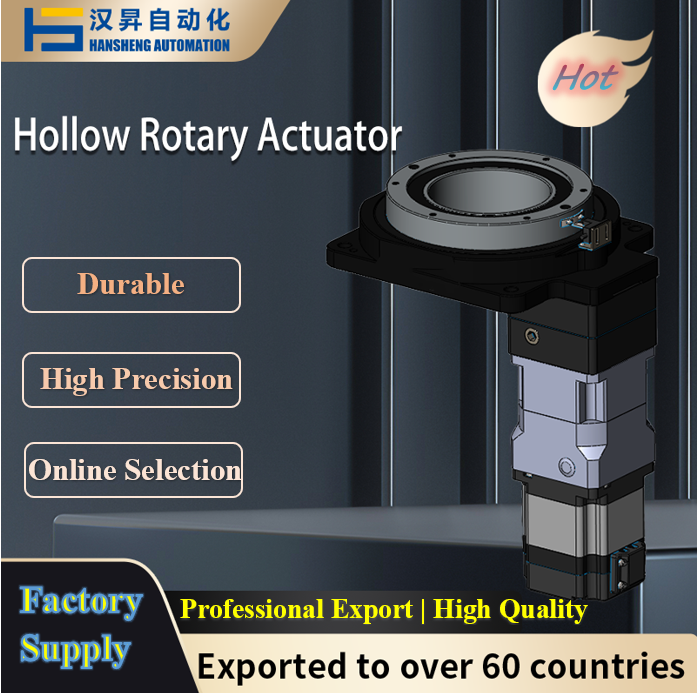
Types of Actuators
- Electric Actuators: Electric actuators are powered by electricity and are known for their high precision, speed, and reliability. They are commonly used in applications that require precise positioning and control, such as robotics, automation systems, and CNC machines.
- Hydraulic Actuators: Hydraulic actuators are powered by hydraulic fluid and are known for their high force and torque capabilities. They are commonly used in applications that require heavy-duty lifting and moving, such as construction equipment, industrial presses, and material handling systems.
- Pneumatic Actuators: Pneumatic actuators are powered by compressed air and are known for their fast response times and low cost. They are commonly used in applications that require rapid movement and positioning, such as packaging machines, assembly lines, and conveyor systems.
Actuator Control
Actuator control is an important aspect of factory automation, as it involves the regulation of actuator movement, speed, and force. Actuator control systems can be either open-loop or closed-loop, depending on the application requirements. Open-loop control systems use a fixed set of parameters to control the actuator, while closed-loop control systems use feedback sensors to monitor the actuator's performance and adjust the control parameters accordingly.
Future Trends in Factory Automation
As technology continues to advance at an unprecedented pace, factory automation is expected to undergo significant changes in the coming years. Some of the key trends that are likely to shape the future of factory automation include:
Artificial Intelligence and Machine Learning
Artificial intelligence (AI) and machine learning (ML) are already being used in factory automation systems to improve efficiency, quality, and productivity. In the future, AI and ML are expected to play an even more significant role, as they will enable factories to automate complex tasks, optimize production processes, and predict maintenance needs. For example, AI-powered robots will be able to learn and adapt to new tasks, while ML algorithms will be able to analyze large amounts of data to identify patterns and make predictions.
Internet of Things (IoT)
The Internet of Things (IoT) refers to the network of physical devices, vehicles, home appliances, and other items that are embedded with sensors, software, and connectivity, allowing them to collect and exchange data. In factory automation, the IoT is being used to connect and monitor various components of the production process, such as machines, sensors, and actuators. This connectivity enables real-time data collection and analysis, which can be used to optimize production processes, improve quality control, and reduce downtime.
Robotics and Automation
Robotics and automation are already widely used in factory automation systems, and their use is expected to continue to grow in the future. Advances in robotics technology, such as the development of collaborative robots (cobots) and mobile robots, will make it easier and more cost-effective for factories to automate tasks that were previously too difficult or expensive to automate. In addition, the integration of robotics and automation with other technologies, such as AI and the IoT, will enable factories to create more intelligent and autonomous manufacturing systems.
Additive Manufacturing
Additive manufacturing, also known as 3D printing, is a process that involves building three-dimensional objects by adding layers of material. In factory automation, additive manufacturing is being used to produce prototypes, parts, and tools quickly and cost-effectively. In the future, additive manufacturing is expected to become more widely used in production environments, as it will enable factories to produce customized products on demand, reduce waste, and improve supply chain efficiency.
Conclusion
Factory automation is a rapidly evolving field that is transforming the way products are designed, produced, and delivered. By using advanced technologies such as PLCs, motors, sensors, actuators, and software systems, factories can achieve higher levels of productivity, quality, and efficiency, ultimately leading to improved competitiveness in the global market. As technology continues to advance, factory automation is expected to undergo significant changes in the coming years, with the integration of AI, ML, the IoT, robotics, and additive manufacturing playing a crucial role in its evolution.
What is a PLC Controller
What Does a CNC Machine Do
Related Article

Brushless DC (BLDC) motors are widely used in EVs, drones, industrial machinery, and robotics for their efficiency and long lifespan. Unlike brushed motors—where reversing direction only requires swapping power leads—BLDC motors rely on electronic commutation, making direction reversal more nuanced.
How to Reverse Direction in Brushless Motors

Brushed and brushless DC motors are two of the most common electric motor designs, powering everything from toys to electric vehicles. While both convert electrical energy to mechanical motion, their internal structures, performance, and use cases differ drastically.
What’s the Difference Between a Brushed and Brushless Motor

Brushed DC motors are reliable, but wear and tear over time can lead to failure. Whether you’re troubleshooting a power tool, household appliance, or industrial conveyor motor, knowing the signs of a bad brushed motor saves time and prevents further damage.
How to Know If a Brushed Motor Is Bad
