


What is the Difference Between Brushed and Brushless Motors
2025-07-04
What is the Difference Between Brushed and Brushless Motors?
When it comes to electric motors, two terms frequently come up in discussions: brushed motors and brushless motors. While both serve the purpose of converting electrical energy into mechanical motion, their designs, operations, and applications differ significantly. In this article, we'll dive deep into the core distinctions between these two motor types, exploring their working principles, structural differences, performance characteristics, and real-world uses. By the end, you'll have a clear understanding of which motor might be best suited for your specific needs.
How Brushed and Brushless Motors Work: The Fundamental Principle
Brushed Motors: Mechanical Commutation in Action
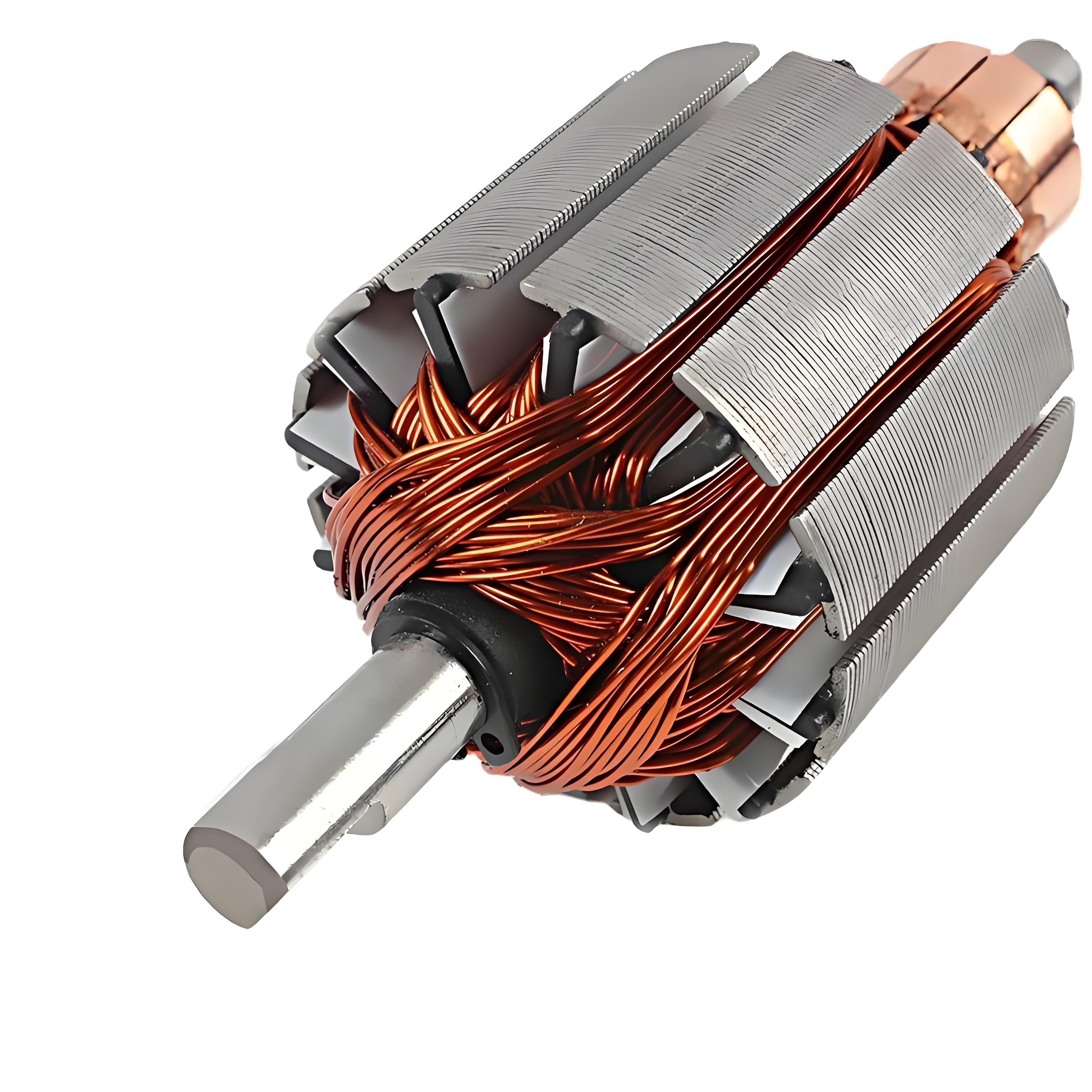
The operation of a brushed motor revolves around a mechanical commutation system. At its core, it consists of a stator (the stationary part) with permanent magnets and a rotor (the rotating part) with an armature winding. The key components here are the carbon brushes and the commutator—a segmented metal ring attached to the rotor shaft.
As electricity flows through the armature windings, a magnetic field is generated around the rotor. The carbon brushes make physical contact with the commutator segments, delivering current to the rotor windings. As the rotor spins, the commutator segments switch the current direction in the windings, ensuring the magnetic field of the rotor continuously interacts with the stator's magnetic field to produce rotation. This mechanical switching is what creates the continuous motion, but it also introduces some inherent limitations, such as friction and wear from the brush-commutator contact.
Brushless Motors: Electronic Commutation for Precision
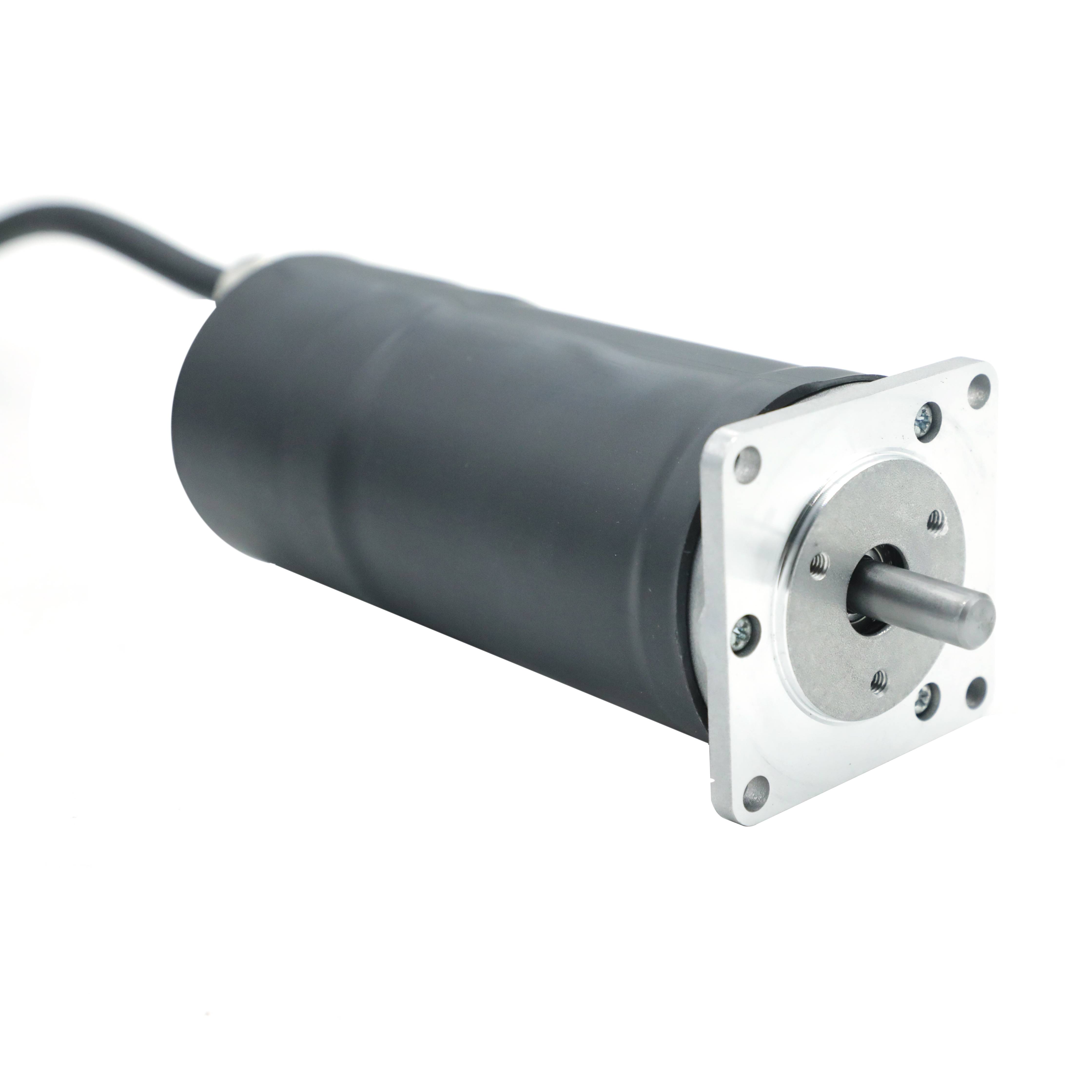
In contrast, brushless motors eliminate mechanical commutators and brushes, relying instead on an electronic speed controller (ESC) for commutation. The stator in a brushless motor contains the windings, while the rotor is equipped with permanent magnets. The ESC plays a crucial role here: it sends regulated current to the stator windings in a specific sequence, creating rotating magnetic fields that attract and repel the permanent magnets on the rotor, causing it to spin.
This electronic commutation is controlled by sensors (or sensorless algorithms) that monitor the rotor's position. By precisely timing the current flow to the stator windings, brushless motors achieve smoother operation, higher efficiency, and better speed control. Since there are no physical brushes making contact, there's no friction or wear from that component, leading to a longer lifespan and reduced maintenance.
Structural Differences: Brushes, Commutators, and Beyond
Key Components Comparison
Let's break down the main structural elements of each motor type:
|
Component
|
Brushed Motor
|
Brushless Motor
|
|
Commutation
|
Mechanical (carbon brushes + commutator)
|
Electronic (ESC + sensor/sensorless control)
|
|
Rotor
|
Contains armature windings (electromagnetic core)
|
Contains permanent magnets (rare-earth magnets)
|
|
Stator
|
Contains permanent magnets
|
Contains stator windings (coils)
|
|
Brushes
|
Present (carbon or graphite)
|
Absent
|
|
Sensors
|
Optional (for speed control)
|
Required (hall effect sensors) or sensorless
|
Design Implications
The absence of brushes in brushless motors removes a major point of failure. Brushes in brushed motors wear down over time, creating debris that can contaminate the motor and reduce performance. The commutator segments can also suffer from arcing and oxidation, leading to electrical resistance and decreased efficiency. Brushless motors, with their simpler mechanical structure (no moving electrical contacts), are more robust in dusty, wet, or high-speed environments.
Performance Characteristics: Efficiency, Power, and Maintenance
Efficiency: Brushless Takes the Lead
One of the most significant differences lies in energy efficiency. Brushed motors typically have an efficiency range of 60-70%, while brushless motors can achieve 80-90% or higher. The mechanical losses from brush friction, commutator arcing, and eddy current losses in the iron core of brushed motors contribute to lower efficiency. Brushless motors, with their electronic commutation and optimized magnetic designs, convert more of the input energy into useful mechanical output, making them ideal for battery-powered devices where energy conservation is critical (e.g., drones, electric vehicles).
Torque and Speed Control
Brushed motors produce high starting torque but have limited speed control. Their speed is primarily regulated by adjusting the input voltage, which can lead to inconsistent performance as the load changes. Brushless motors, on the other hand, offer precise speed control through the ESC, which can adjust the frequency and phase of the current to the stator windings. They provide smoother torque across the speed range and excel in applications requiring variable speed, such as robotics, CNC machines, and electric skateboards.
Maintenance Needs
Brushed motors require regular maintenance to replace worn brushes and clean commutator debris, which can be a hassle in hard-to-reach applications. Over time, brush replacement becomes necessary—usually after 100-300 hours of operation, depending on usage. Brushless motors, by eliminating brushes and commutators, are virtually maintenance-free. Their main serviceable parts are typically the bearings, which last much longer due to the absence of brush-related vibrations and debris.
Noise and Heat
Brushed motors tend to be noisier due to brush vibration and arcing at the commutator. They also generate more heat, especially at high speeds, which can limit their continuous duty cycle. Brushless motors operate more quietly and run cooler, making them suitable for noise-sensitive environments like home appliances or professional video drones.
Applications: Where Each Motor Shines
Brushed Motor Applications
Despite their limitations, brushed motors have their place in simpler, cost-effective applications:
- Small Toys and Hobbies: RC cars (entry-level models), model trains, and simple robotic kits often use brushed motors due to their low cost and straightforward operation.
- Household Appliances: Vacuum cleaners (some models), electric toothbrushes, and power tools (basic drills) may employ brushed motors for their high initial torque and ease of control.
- Low-Power Devices: Fans, pumps, and small conveyor belts in industrial settings where precision and longevity are less critical.
Brushless Motor Applications
Brushless motors dominate in scenarios requiring efficiency, precision, and durability:
- Aerospace and Drones: Drones rely on brushless motors for their high power-to-weight ratio, efficiency, and precise speed control, enabling stable flight and longer battery life.
- Electric Vehicles: E-bikes, electric scooters, and cars use brushless motors for their high efficiency, silent operation, and ability to handle varying loads.
- Industrial Machinery: CNC routers, 3D printers, and robotic arms require the accurate positioning and torque control that brushless motors provide.
- High-End Hobbies: Professional RC planes, boats, and cars use brushless systems for maximum performance and reliability during intense use.
Pros and Cons: Weighing the Options
Brushed Motors: Pros
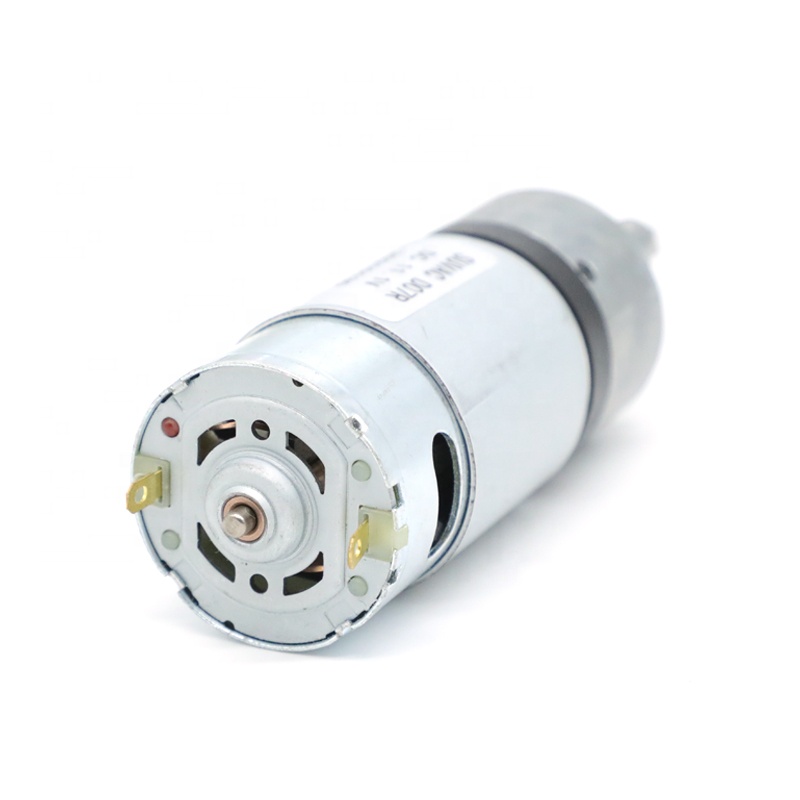
- Cost-Effective: Generally cheaper to manufacture and purchase, making them ideal for budget-conscious projects.
- Simple Design: Easy to control with basic voltage regulators, requiring minimal electronic components.
- High Starting Torque: Good for applications that need an immediate burst of power, like small winches or starters.
Brushed Motors: Cons
- Short Lifespan: Brushes and commutators wear out, leading to frequent replacements.
- Low Efficiency: Higher energy loss means more battery drain in portable devices.
- Noisy Operation: Brush friction and arcing create more noise and electromagnetic interference (EMI).
Brushless Motors: Pros
- Long Lifespan: No brushes to replace, resulting in years of maintenance-free operation.
- High Efficiency: Better energy use extends battery life in mobile applications.
- Precise Control: Electronic commutation allows for variable speed, torque adjustment, and smooth operation.
- Quiet and Cool: Reduced friction and heat make them suitable for sensitive environments.
Brushless Motors: Cons
- Higher Cost: The ESC and permanent magnets increase manufacturing costs.
- Complex Electronics: Require an ESC and possibly sensors, adding complexity to the system.
- Sensitivity to Voltage: Need a stable power supply and proper ESC calibration for optimal performance.
Making the Right Choice: When to Use Brushed vs. Brushless
- Budget vs. Performance: If you're on a tight budget and don't need long-term use or precision, a brushed motor might suffice. For projects where efficiency, longevity, and control matter—especially in battery-powered or high-performance setups—invest in a brushless system.
- Maintenance Tolerance: Are you willing to replace brushes regularly? If not, brushless is the way to go. Industrial applications or remote devices (like underwater drones) benefit hugely from maintenance-free operation.
- Speed and Torque Requirements: Brushed motors are great for simple on/off applications or low-speed tasks. Brushless motors excel when you need to vary speed, maintain consistent torque under load, or achieve high RPM with minimal vibration.
Conclusion: Understanding the Core Differences for Better Decisions
In summary, the key differences between brushed and brushless motors boil down to their commutation systems, structural designs, and performance capabilities. Brushed motors offer simplicity and low cost but come with trade-offs in lifespan, efficiency, and maintenance. Brushless motors, while more expensive and complex, deliver superior efficiency, precision, and durability, making them the preferred choice for modern, high-performance applications.
Whether you're building a DIY project, selecting a motor for a commercial product, or just curious about how things work, understanding these differences will help you make an informed decision. As technology advances, brushless motors are increasingly becoming the standard in many industries, but brushed motors still have their niche in simple, cost-effective setups. The choice ultimately depends on your specific needs for power, longevity, maintenance, and budget.
By recognizing the unique strengths and limitations of each motor type, you can ensure your next project operates at its full potential—whether that's a high-flying drone, a reliable electric bike, or a simple hobbyist robot.
What Is a Photoelectric Sensor
How Does a Photoelectric Sensor Work
Related Article

Brushless DC (BLDC) motors are widely used in EVs, drones, industrial machinery, and robotics for their efficiency and long lifespan. Unlike brushed motors—where reversing direction only requires swapping power leads—BLDC motors rely on electronic commutation, making direction reversal more nuanced.
How to Reverse Direction in Brushless Motors

Brushed and brushless DC motors are two of the most common electric motor designs, powering everything from toys to electric vehicles. While both convert electrical energy to mechanical motion, their internal structures, performance, and use cases differ drastically.
What’s the Difference Between a Brushed and Brushless Motor

Brushed DC motors are reliable, but wear and tear over time can lead to failure. Whether you’re troubleshooting a power tool, household appliance, or industrial conveyor motor, knowing the signs of a bad brushed motor saves time and prevents further damage.
How to Know If a Brushed Motor Is Bad
