


Which is better, an AC or DC motor
2025-08-06
Which is better, an AC or DC motor?
When it comes to powering the machines that drive our modern world, two primary motor types dominate the landscape: AC (alternating current) motors and DC (direct current) motors. Each has its own set of strengths, weaknesses, and ideal applications. But the age-old question remains: Which is better? To answer that, we need to dive into their structures, performance metrics, and real-world uses—including a closer look at servo motors, a specialized subset that blurs the lines between the two.
AC vs. DC: Core Definitions
Before comparing them, let’s clarify what makes each motor unique.
An AC motor runs on alternating current, where the direction of the electrical flow periodically reverses (typically 50 or 60 times per second, depending on the region). This reversal eliminates the need for components like commutators, which are essential in many DC motors.
A DC motor, on the other hand, operates on direct current, where electricity flows in a single, constant direction. This simplicity in power source belies a more complex internal structure to convert that steady current into rotational motion.
Structural Differences: What Sets Them Apart?
The most significant distinctions between AC and DC motors lie in their design. Understanding these differences is key to grasping why one might outperform the other in specific scenarios.
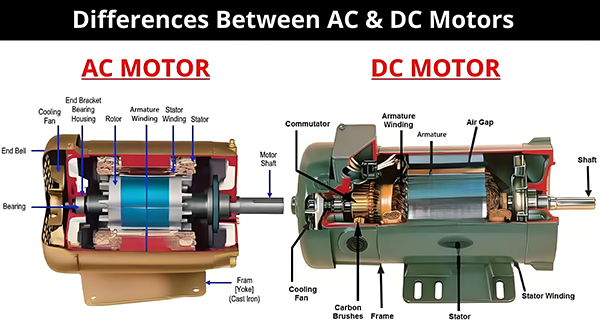
AC Motor Structure
AC motors are generally simpler in construction. They consist of two main parts:
- Stator: The stationary outer component that contains coils of wire. When energized with AC, these coils create a rotating magnetic field.
- Rotor: The inner component that rotates. In induction AC motors (the most common type), the rotor doesn’t receive electrical current directly. Instead, the rotating magnetic field from the stator induces a current in the rotor, creating its own magnetic field. This interaction between the stator and rotor fields causes the rotor to spin.
Notably, AC motors lack brushes and commutators, which are critical in many DC motors. This absence makes them more durable and less maintenance-intensive.
DC Motor Structure
DC motors have a more intricate design to handle direct current:
- Stator: Often a permanent magnet or an electromagnet that generates a fixed magnetic field.
- Rotor (Armature): A coil of wire that rotates within the stator’s magnetic field. When current flows through the rotor, it becomes an electromagnet.
- Commutator: A split ring attached to the rotor that reverses the direction of current in the rotor coils as it spins. This reversal ensures the rotor continues to rotate in a single direction.
- Brushes: Conductive contacts that transfer current from the power source to the commutator.
This setup allows DC motors to convert direct current into continuous rotational motion, but the brushes and commutator are prone to wear and require regular upkeep.
Performance Showdown: Efficiency, Speed, and Control
When evaluating "better," performance metrics like efficiency, speed range, and controllability take center stage.
Efficiency
AC motors, especially three-phase induction motors, excel in high-power applications. They achieve efficiency levels of 85-95% in large industrial models, making them ideal for constant-speed operations like pumps, fans, and conveyor belts. Their lack of brushes reduces energy loss from friction, contributing to this efficiency.
DC motors, while efficient in small to medium sizes (75-90% efficiency), struggle to match AC motors in high-power scenarios. The friction from brushes and commutators creates energy loss, and heat generation can further reduce performance in large DC motors.
Speed Range and Control
DC motors shine when precise speed control is needed. By adjusting the voltage supplied to the motor, you can easily vary its speed over a wide range—from very low to high RPM. This makes them perfect for applications like electric vehicles, where speed needs to change dynamically.
AC motors, particularly induction types, have a more fixed speed determined by the frequency of the AC power supply. While variable frequency drives (VFDs) can adjust their speed, this adds complexity and cost. Synchronous AC motors offer more precise speed control but are less common in general use.
Servo Motors: The Precision Specialists
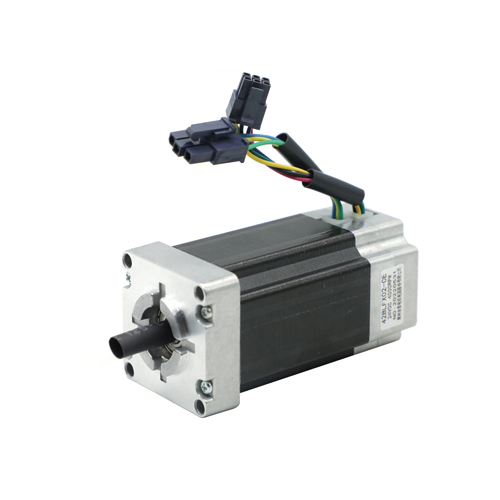
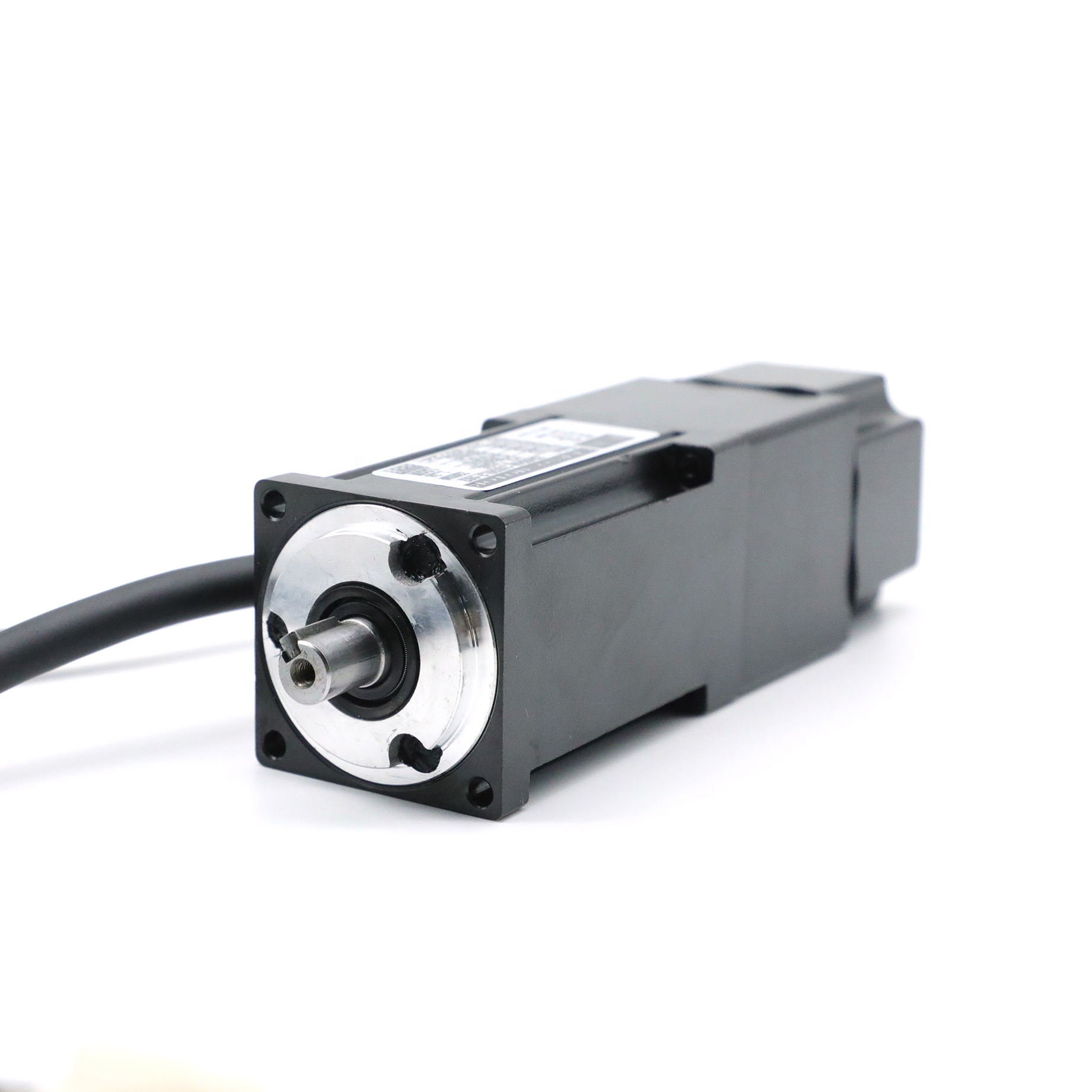
Servo motors deserve a special mention here, as they are a hybrid in terms of performance. Most servo motors are DC-powered, though AC servo motors exist. What sets them apart is their integration with feedback systems (like encoders) that allow for extremely precise control of position, speed, and torque.
In essence, a servo motor is a DC (or AC) motor paired with a controller that adjusts its operation based on real-time feedback. This makes them indispensable in robotics, CNC machines, and automated manufacturing—where accuracy down to fractions of a millimeter is required. While AC motors can be used in servo systems, DC servo motors are more common due to their inherent responsiveness and easier speed regulation.
Applications: Where Each Motor Shines
The "better" motor depends largely on the task at hand.
AC Motor Dominance
- Industrial Machinery: Factories rely on AC motors for pumps, compressors, and conveyor systems, where constant speed and high efficiency are critical.
- Household Appliances: Refrigerators, washing machines, and air conditioners use AC motors because they align with the AC power grid and require minimal maintenance.
- Large-Scale Systems: Wind turbines and electric trains often use AC motors, as they can handle high power loads efficiently.
DC Motor Strengths
- Portable Devices: Battery-powered tools, toys, and small appliances use DC motors since batteries supply direct current.
- Transportation: Electric cars, forklifts, and scooters depend on DC motors for their ability to provide high torque at low speeds and adjust speed smoothly.
- Precision Equipment: Medical devices, like centrifuges, and audio equipment, such as record players, use DC motors for their controllability.
Servo Motors in Action
As mentioned, servo motors are the go-to for precision tasks:
- Robotics: Controlling the movement of robotic arms.
- Aerospace: Adjusting flaps and rudders in aircraft.
- 3D Printers: Positioning the print head with pinpoint accuracy.
FAQ
Q: Can AC motors be used in battery-powered devices?
A: Yes, but they require an inverter to convert DC from the battery to AC, adding cost and complexity. DC motors are more straightforward for such applications.
Q: Are DC motors more expensive than AC motors?
A: Generally, small DC motors are cheaper, but large DC motors (with brushes and commutators) can be more expensive than equivalent AC motors due to their complex construction.
Q: Do servo motors only work with DC power?
A: No, AC servo motors exist and are used in high-power precision applications, but DC servo motors are more common in small to medium-sized systems due to their simplicity and cost-effectiveness.
Q: Which motor type is more durable?
A: AC motors have a longer lifespan in most cases because they lack brushes and commutators, which are wear points in DC motors. However, brushless DC motors (a subset of DC motors without brushes) offer comparable durability.
Q: Can I replace an AC motor with a DC motor in my appliance?
A: It’s possible but requires modifying the power supply (to provide DC) and may affect performance. It’s rarely practical unless the application specifically demands DC motor benefits like speed control.
How to Check a Solenoid Valve
What is a Servo Motor vs. Stepper Motor
Related Article

Brushless DC (BLDC) motors are widely used in EVs, drones, industrial machinery, and robotics for their efficiency and long lifespan. Unlike brushed motors—where reversing direction only requires swapping power leads—BLDC motors rely on electronic commutation, making direction reversal more nuanced.
How to Reverse Direction in Brushless Motors

Brushed and brushless DC motors are two of the most common electric motor designs, powering everything from toys to electric vehicles. While both convert electrical energy to mechanical motion, their internal structures, performance, and use cases differ drastically.
What’s the Difference Between a Brushed and Brushless Motor

Brushed DC motors are reliable, but wear and tear over time can lead to failure. Whether you’re troubleshooting a power tool, household appliance, or industrial conveyor motor, knowing the signs of a bad brushed motor saves time and prevents further damage.
How to Know If a Brushed Motor Is Bad
