


Why Is the AC Motor So Important
2025-05-29
Why Is the AC Motor So Important? Unraveling Its Pivotal Role
In the world of electrical engineering and mechanical systems, the alternating current (AC) motor stands as a technological marvel, powering countless applications across diverse industries. Its significance cannot be overstated, as it has revolutionized the way we live and work. But why is the AC motor so important? Let's delve into the key reasons that make it an indispensable component in modern society.
Fundamental Advantages of AC Motors
Efficiency and Reliability
One of the primary reasons for the importance of AC motors is their remarkable efficiency. These motors are designed to convert electrical energy into mechanical energy with minimal losses. Thanks to advancements in motor design and materials, modern AC motors can achieve high levels of energy conversion efficiency, reducing operational costs for industries and consumers alike. For instance, in industrial settings, energy-efficient AC motors can significantly cut down on electricity bills, making manufacturing processes more cost-effective.
Moreover, AC motors are renowned for their reliability. They have a simple and robust construction, with fewer moving parts compared to some other types of motors. This simplicity translates into lower maintenance requirements and longer operational lifespans. In critical applications such as power plants or water treatment facilities, the reliability of AC motors ensures uninterrupted operation, preventing costly disruptions.
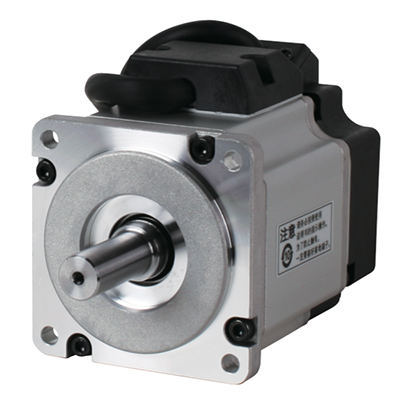
Versatility in Speed Control
Another crucial aspect that contributes to the importance of AC motors is their versatility in speed control. With the development of variable frequency drives (VFDs), AC motors can now be easily adjusted to operate at different speeds. This feature allows industries to optimize the performance of their machinery according to specific requirements. For example, in conveyor systems, the speed of AC motors can be adjusted to control the flow rate of materials, ensuring efficient production processes. In HVAC systems, variable-speed AC motors can regulate the airflow, providing better comfort and energy savings.
AC Motors in Industrial Applications
Powering Manufacturing Processes
In the industrial sector, AC motors are the workhorses that drive a vast array of manufacturing processes. From large-scale factories to small workshops, AC motors are used to operate machinery such as lathes, mills, drills, and pumps. They provide the necessary torque and speed to perform tasks like cutting, shaping, and moving materials. In automotive manufacturing plants, AC motors power the robotic arms that assemble vehicles with precision, enabling mass production and high-quality output.
Driving Conveyor Systems
Conveyor systems are essential in many industries, and AC motors play a vital role in their operation. Whether it's transporting goods in a warehouse, moving raw materials in a mine, or conveying products on a packaging line, AC motors ensure smooth and continuous movement. Their ability to handle heavy loads and operate reliably over extended periods makes them ideal for these applications. The use of VFDs with AC motors in conveyor systems also allows for seamless acceleration and deceleration, preventing damage to the conveyed items.
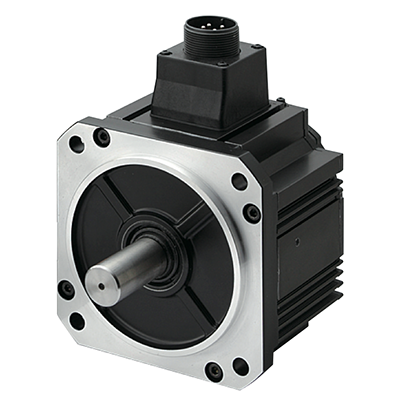
AC Motors in Everyday Life
Home Appliances
AC motors are ubiquitous in home appliances, making our daily lives more convenient. In household items such as refrigerators, washing machines, and fans, AC motors are responsible for tasks like cooling, spinning, and air circulation. For example, the compressor in a refrigerator, powered by an AC motor, circulates refrigerant to maintain the desired temperature inside the appliance. In washing machines, AC motors control the rotation of the drum, ensuring effective cleaning of clothes.
Lighting and Ventilation
In buildings, AC motors are used in lighting and ventilation systems. Ceiling fans, powered by AC motors, provide a cost-effective way to circulate air and cool indoor spaces. Additionally, many modern lighting systems, such as ceiling fans with integrated lights, rely on AC motors to operate. In commercial buildings, large ventilation systems use AC motors to draw in fresh air and expel stale air, maintaining a healthy indoor environment.
AC Motors in Renewable Energy
Wind Turbines
The importance of AC motors extends to the renewable energy sector, particularly in wind turbines. Wind turbines convert the kinetic energy of the wind into electrical energy, and AC generators, which are essentially a type of AC motor, play a crucial role in this process. As the blades of the wind turbine rotate, they drive the AC generator, which produces electricity. The development of high-efficiency AC motors for wind turbines has been instrumental in making wind energy a viable and sustainable source of power, contributing to the global transition away from fossil fuels.
Hydroelectric Power Plants
In hydroelectric power plants, AC motors are used in the turbines that convert the energy of flowing water into mechanical energy, which is then converted into electrical energy by generators. These motors are designed to withstand the harsh conditions of underwater operation and provide reliable performance over long periods. The efficiency of AC motors in hydroelectric power plants is essential for maximizing power generation and ensuring a stable supply of electricity.
Economic and Environmental Significance
Cost-Effectiveness
The widespread use of AC motors has a significant economic impact. Their efficiency and reliability reduce operational costs for industries, making products more competitive in the market. Additionally, the availability of AC motors at various price points makes them accessible to a wide range of consumers and businesses. In the long run, the cost savings achieved through the use of AC motors contribute to economic growth and development.
Environmental Benefits
From an environmental perspective, AC motors play a crucial role in reducing energy consumption and greenhouse gas emissions. Their high efficiency means that less energy is wasted during the conversion process, leading to lower electricity demand and reduced reliance on fossil fuel-based power generation. Moreover, the use of AC motors in renewable energy systems, such as wind and hydroelectric power plants, helps to displace conventional energy sources, further reducing the environmental impact of energy production.
In conclusion, the AC motor's importance lies in its numerous advantages, wide-ranging applications, and significant economic and environmental contributions. From powering industrial machinery to enhancing our daily lives and driving the transition to renewable energy, AC motors are an integral part of modern technology and infrastructure. As technology continues to advance, we can expect AC motors to become even more efficient, versatile, and essential in the future.
What is a DC Motor
What is a PLC Controller
Related Article

Brushless DC (BLDC) motors are widely used in EVs, drones, industrial machinery, and robotics for their efficiency and long lifespan. Unlike brushed motors—where reversing direction only requires swapping power leads—BLDC motors rely on electronic commutation, making direction reversal more nuanced.
How to Reverse Direction in Brushless Motors

Brushed and brushless DC motors are two of the most common electric motor designs, powering everything from toys to electric vehicles. While both convert electrical energy to mechanical motion, their internal structures, performance, and use cases differ drastically.
What’s the Difference Between a Brushed and Brushless Motor

Brushed DC motors are reliable, but wear and tear over time can lead to failure. Whether you’re troubleshooting a power tool, household appliance, or industrial conveyor motor, knowing the signs of a bad brushed motor saves time and prevents further damage.
How to Know If a Brushed Motor Is Bad
