


Sensors in Shared Bikes and Unmanned Supermarkets
Sensor Applications in Shared Bikes
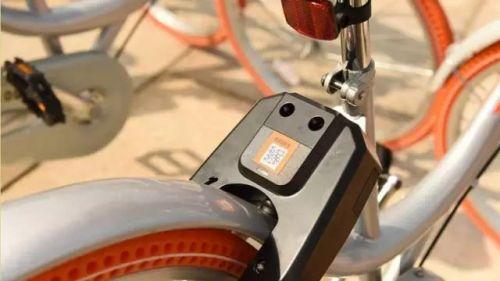
Shared bikes have become popular due to their convenience, allowing users to unlock and ride with just a mobile phone scan. The technology behind this convenience is heavily reliant on sensor technology. Modern shared bikes are equipped with smart locks that integrate various sensors and intelligent modules. For instance, positioning sensors help users locate bikes and assist operators in finding malfunctioning ones. Additionally, built-in sensors can detect whether a bike has been submerged in water or if the lock has been tampered with. Accelerometers monitor the bike’s speed during use. High-end bikes, like those from Mobike, even include voltage sensors to monitor the bike’s overall condition.
The core of shared bikes’ market success lies in their ease of use, with the smart lock being a pivotal component. This smart lock enables users to unlock, return, and pay for the bike independently, with sensors being the foundational elements that make these functions possible. However, as shared bikes expanded rapidly, issues such as improper parking began to surface. In busy urban areas like subway entrances and parks, shared bikes are often seen parked haphazardly, occupying public spaces and creating safety hazards. To address this, authorities have urged companies to improve their operational management and regulate parking areas through technologies like electronic fences and virtual parking spots. An “electronic fence” is a technology that uses IoT chips to emit signals that create a networked boundary, ensuring that bikes can only be locked and payment completed when parked within the designated area.
Sensors in Unmanned Supermarkets
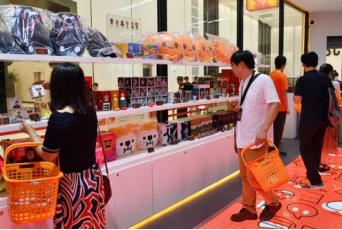
The future of sensor technology extends far beyond shared bikes. Recently, Alibaba opened its first unmanned supermarket in Hangzhou, garnering significant attention. In this store, customers simply scan a QR code with their phone to enter, select products, and then pass through a "payment gate" where the bill is automatically settled through Alipay. This seamless shopping experience is made possible by the application of various sensors.
In Alibaba's unmanned supermarket, technologies such as visual sensors and pressure sensors are employed to detect and identify products and their locations. According to industry expert Zeng Xiaodong, the future of unmanned supermarkets is moving towards full digitalization. Every action of a customer will be systematically digitized, with data collected through sensors and uploaded to the cloud, where algorithms can extract valuable insights.
As the next big wave following the internet, the Internet of Things (IoT) is poised to take off, with the sensor industry at its foundation. Sensors will play an increasingly important role in our lives, presenting a historic opportunity for sensor companies while also challenging their technological capabilities. To capture this market, companies will need to focus on developing innovative technologies and shift from merely providing sensor products to offering comprehensive system solutions.
The Crucial Role of Smart Sensors in Industrial Automation
Machine Vision
Related Article


